October 14, 2026
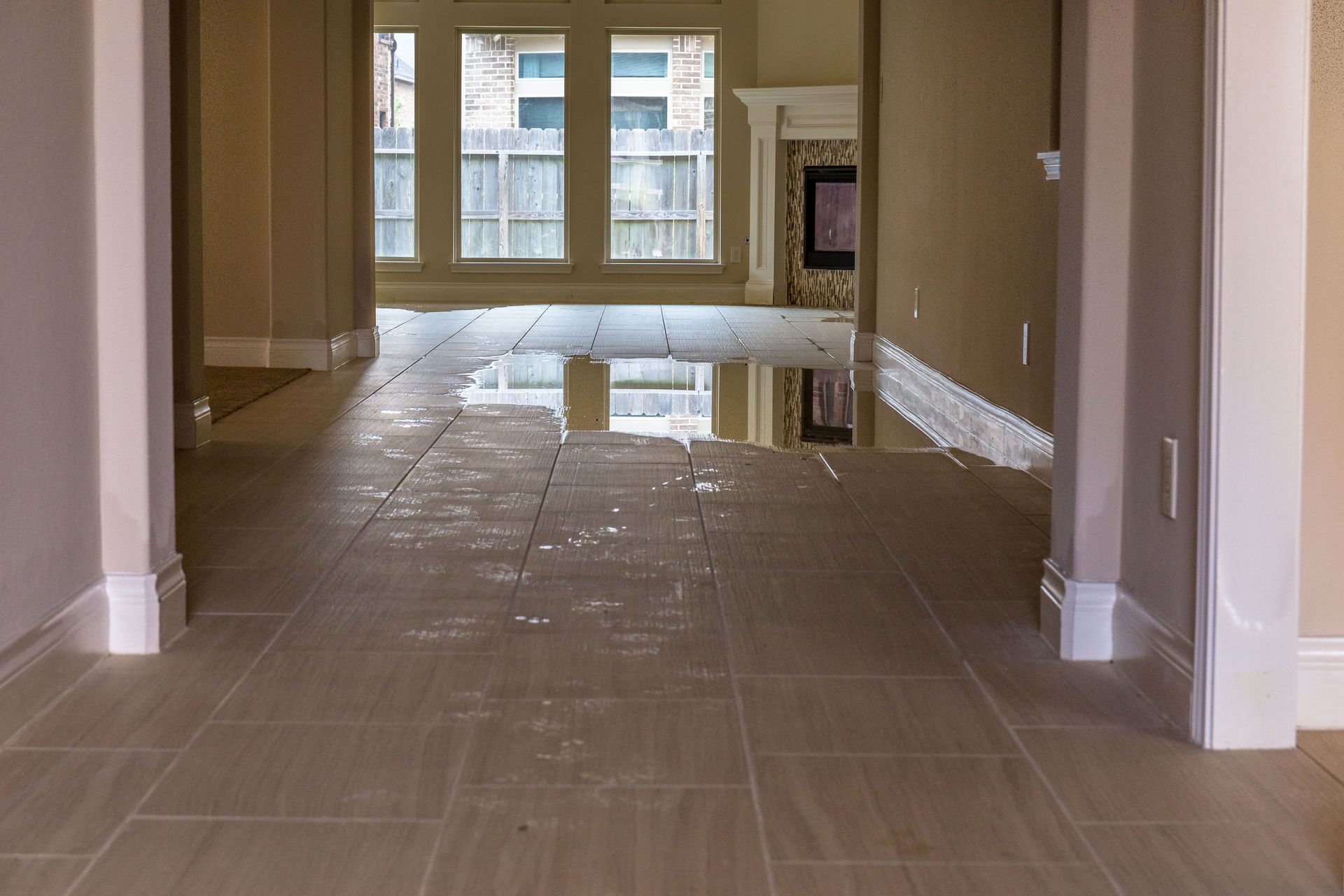
A flooded home can cause serious problems, from damaged belongings to issues with walls and flooring. Water can spread quickly, and delays may lead to more extensive damage. Knowing what steps to take after flooding can help protect people, limit damage, and simplify recovery. This article covers the first steps to take, including prioritizing safety, identifying the water source, documenting damage, and seeking professional help.
Prioritizing Safety After Flooding
Safety should always come first when a home experiences flooding. Standing water can hide hazards, including electrical dangers, sharp objects, and damaged building materials. Floodwater may also contain sewage, dirt, chemicals, or other harmful substances, depending on where it came from. Avoiding unsafe areas can help reduce the risk of injury or illness. Electrical hazards require particular attention. Water that reaches outlets, wiring, appliances, or electrical panels can create a risk of electric shock. If flooding affects these areas, stay away and contact the appropriate professionals for guidance. If there is an immediate danger, leave the property and contact emergency services.
The structure of the home may also be affected. Floodwater can weaken certain building materials, damage stairs, or cause ceilings and walls to become unstable. If the building shows signs of serious damage, such as sagging ceilings or shifting walls, leave the affected area and seek professional help. Children, pets, and other household members should remain away from flooded areas until the property has been assessed. Even when the water appears shallow or clean, hidden hazards may still be present. Taking safety concerns seriously can help prevent additional problems while arrangements are made to address the damage.
Identifying the Source of the Water
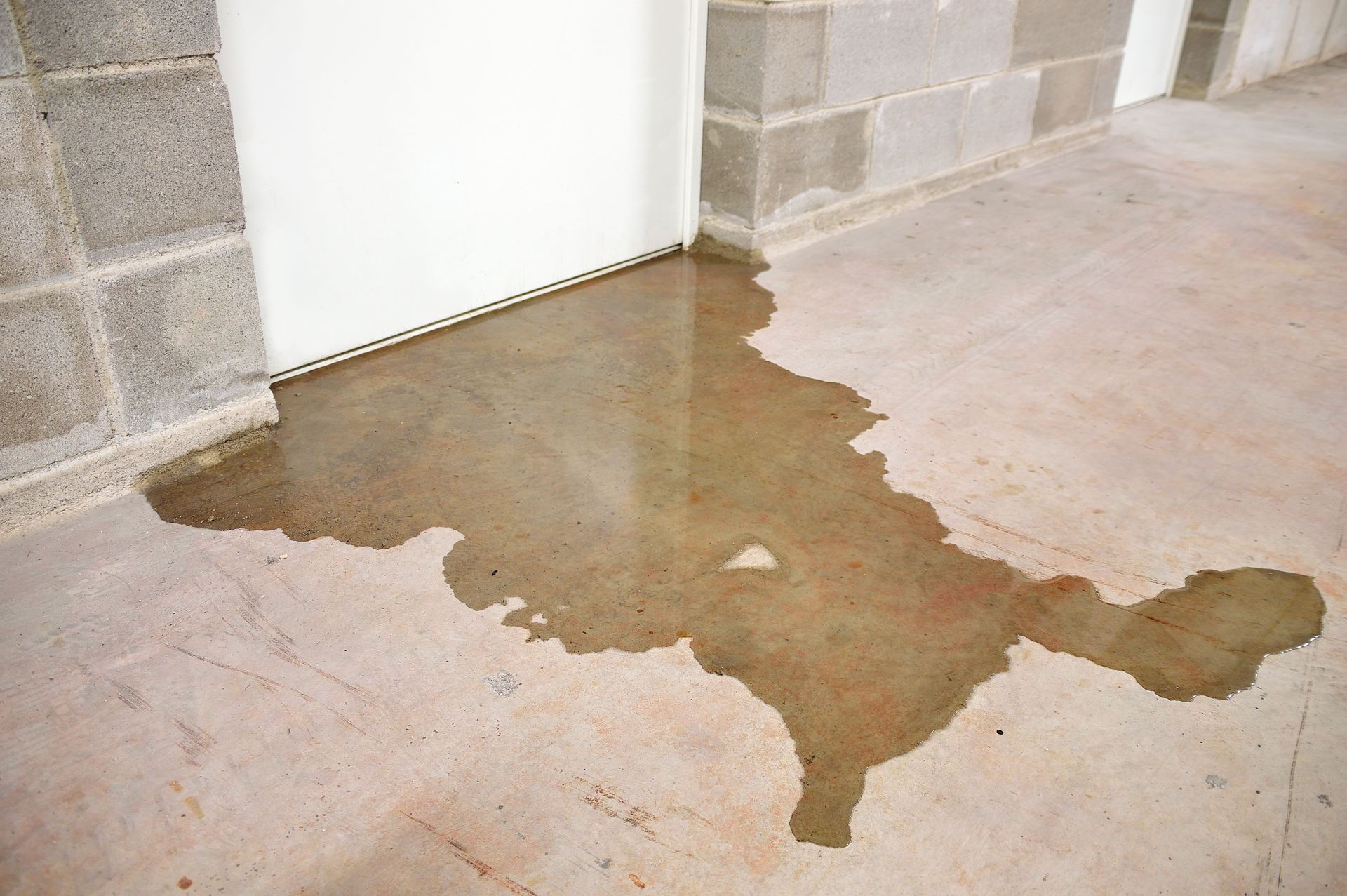
Understanding where the water came from is an important step in responding to a flood. Common causes include heavy rainfall, overflowing drains, plumbing failures, appliance leaks, and water entering through damaged parts of the building. The source can affect how the damage should be handled and what steps are needed to prevent the problem from returning. If the flooding is caused by an ongoing leak or plumbing issue, the water supply may need to be shut off when it is safe to do so. When the source involves stormwater, sewer backups, or exterior flooding, the situation may require a different response. Property owners should avoid entering unsafe areas to locate the source.
The type of water also matters. Water from a clean supply line may present different concerns than water that has passed through drains, soil, or outdoor areas. Floodwater can carry contaminants that affect flooring, walls, furniture, and other belongings. The water may also leave behind materials that require careful handling. Seeking professional help can clarify the source of the flooding and the steps needed to address it. Identifying the cause early can help prevent additional water from entering the home and support a more effective recovery plan.
Documenting the Damage
Recording the condition of the property can help when arranging repairs or filing an insurance claim. Before damaged items are removed or affected areas are changed, photographs and videos can provide a record of what happened. These records may help show the extent of the flooding and the areas that need attention. Documentation should cover visible water, damaged belongings, affected flooring, walls, ceilings, and other parts of the home. If the water level has left visible marks, photographs can help show how far the water reached. Keeping a written list of damaged items may also help organize information for the insurance process.
Property owners should also keep records of related expenses, such as temporary lodging or other necessary costs caused by the flooding. Receipts, claim information, and communication with the insurance company can help keep the process organized. Policy requirements vary, so it is important to review the relevant coverage and reporting deadlines. Documentation should never take priority over personal safety. If an area is dangerous or the building may be unstable, leave it and seek professional guidance. Records can be collected later when the property is safe to access.
Limiting Further Water Damage
Once immediate safety concerns have been addressed, limiting additional damage becomes an important priority. Water can move into flooring, walls, insulation, and other materials, even when the visible amount seems small. The longer moisture remains, the greater the chance of material deterioration, unpleasant odors, and mold growth. Flooding can affect areas beyond the original source. Water may travel beneath flooring, collect inside wall cavities, or spread into adjoining rooms. Materials that appear dry on the surface may still hold moisture underneath. A professional assessment can help identify affected areas that are not easy to see.
Water damage restoration services can help address the effects of flooding by evaluating the property, identifying moisture, and determining what needs attention. The appropriate response depends on the amount of water, the materials affected, and the length of time the moisture has been present. Prompt attention can help reduce the chance of more extensive damage. It is also important to avoid covering up wet areas before their condition has been assessed. Concealing moisture may make it harder to identify ongoing problems. Seeking professional help can provide a clearer understanding of the damage and the steps needed to move forward.
Calling for Prompt Water Damage Restoration Services
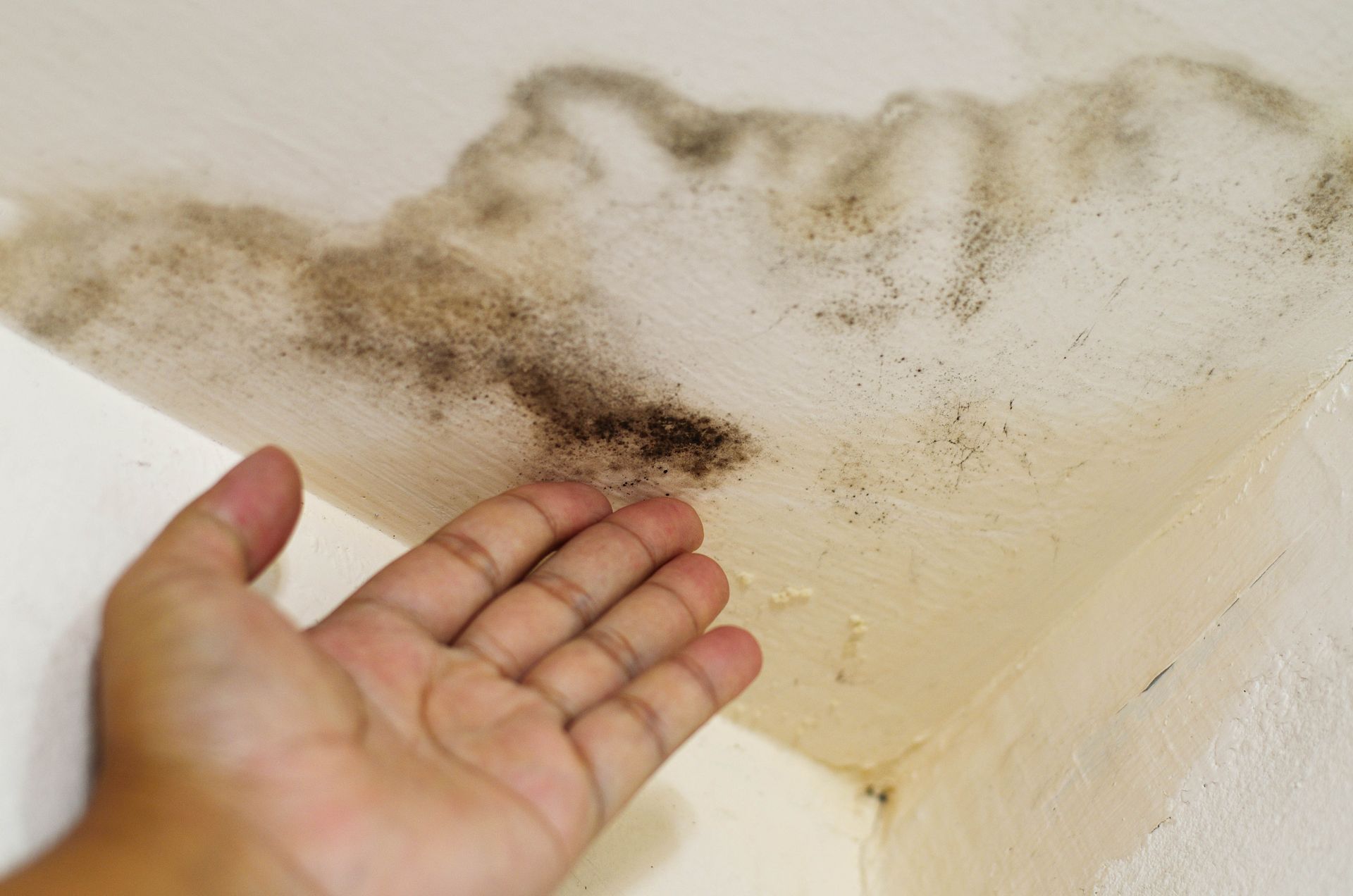
Time can make a difference when dealing with a flooded home. Moisture may continue to spread after the water has stopped entering the property. Wood, drywall, carpet, and other porous materials can absorb water, which may affect their condition and increase the amount of work needed for recovery. Mold is another concern when damp conditions remain. Mold can begin growing on suitable surfaces when moisture is present, and affected areas may not always be visible. Prompt assessment can help identify moisture problems and determine whether further attention is needed.
Flooding is a common property emergency that can affect many households. According to RestoPros, around 14,000 people in the United States experience a water damage emergency at home or work daily. This figure highlights how often unexpected water problems occur and why it is helpful to understand the steps to take when they happen. Water damage restoration services can support a more organized response by helping determine the extent of the damage and the work required. Acting promptly does not mean rushing into unsafe areas or making decisions without enough information. It means addressing immediate risks, seeking appropriate assistance, and avoiding unnecessary delays once the property can be safely assessed.
Reviewing Insurance and Recovery Options
After a flood, contacting the insurance company can help clarify coverage, reporting requirements, and the next steps in the claims process. Policies differ in what they cover, and damage from a plumbing leak may be treated differently from flooding caused by outside water. Reviewing the policy can help property owners understand the limits and requirements that apply to their situation. When contacting the insurer, provide a clear description of the event and share the documentation collected, when available. Ask whether an inspection is required before certain items are removed or repairs begin. Keeping a record of conversations and claim details can help reduce confusion during the recovery process.
It is important to understand that not every type of water damage is covered by every policy. Some policies include specific exclusions, deductibles, or separate coverage requirements for certain flooding events. The insurer can explain the relevant terms and identify any additional information needed to review the claim. Water damage restoration services may also help property owners understand the condition of the affected areas and the work that may be required. Clear communication between the property owner, insurer, and restoration team can help keep the process organized. Each party may have different responsibilities, so confirming expectations early can prevent avoidable delays.
A flooded home can be stressful, but taking the right steps can make recovery easier. Prioritizing safety, identifying the water source, documenting damage, and seeking professional help can reduce risks. Prompt water damage restoration services can address hidden moisture and help prevent further damage. Contact Premier Restorations, LLC to learn how our water damage restoration services can help restore your property.