October 9, 2026
The recent surge in do-it-yourself home improvement projects has captivated a wide range of homeowners who are eager to save money and gain hands-on experience. The prospect of completing projects yourself brings not only potential financial benefits but also the indelible satisfaction of achieving something independently. When a sudden disaster strikes, your initial instinct might be to grab a mop, a bucket, and some towels to tackle the mess right away. Dealing with household emergencies can feel overwhelming, especially when unexpected leaks or floods disrupt your daily routine. Many people attempt to clean up minor spills without a second thought, assuming the problem is entirely resolved once the surface looks dry. However, this excitement and immediate action come with a crucial consideration: assessing when a situation becomes too daunting or hazardous for an amateur approach. Handling moisture issues requires careful planning and a deep understanding of structural integrity. Engaging in comprehensive water damage repair demands more than just superficial drying techniques. By understanding the delicate balance between taking on manageable projects yourself and knowing when it is time to bring in professional help, you can maximize results while minimizing risks, both financial and personal.
Assessing the Initial Situation
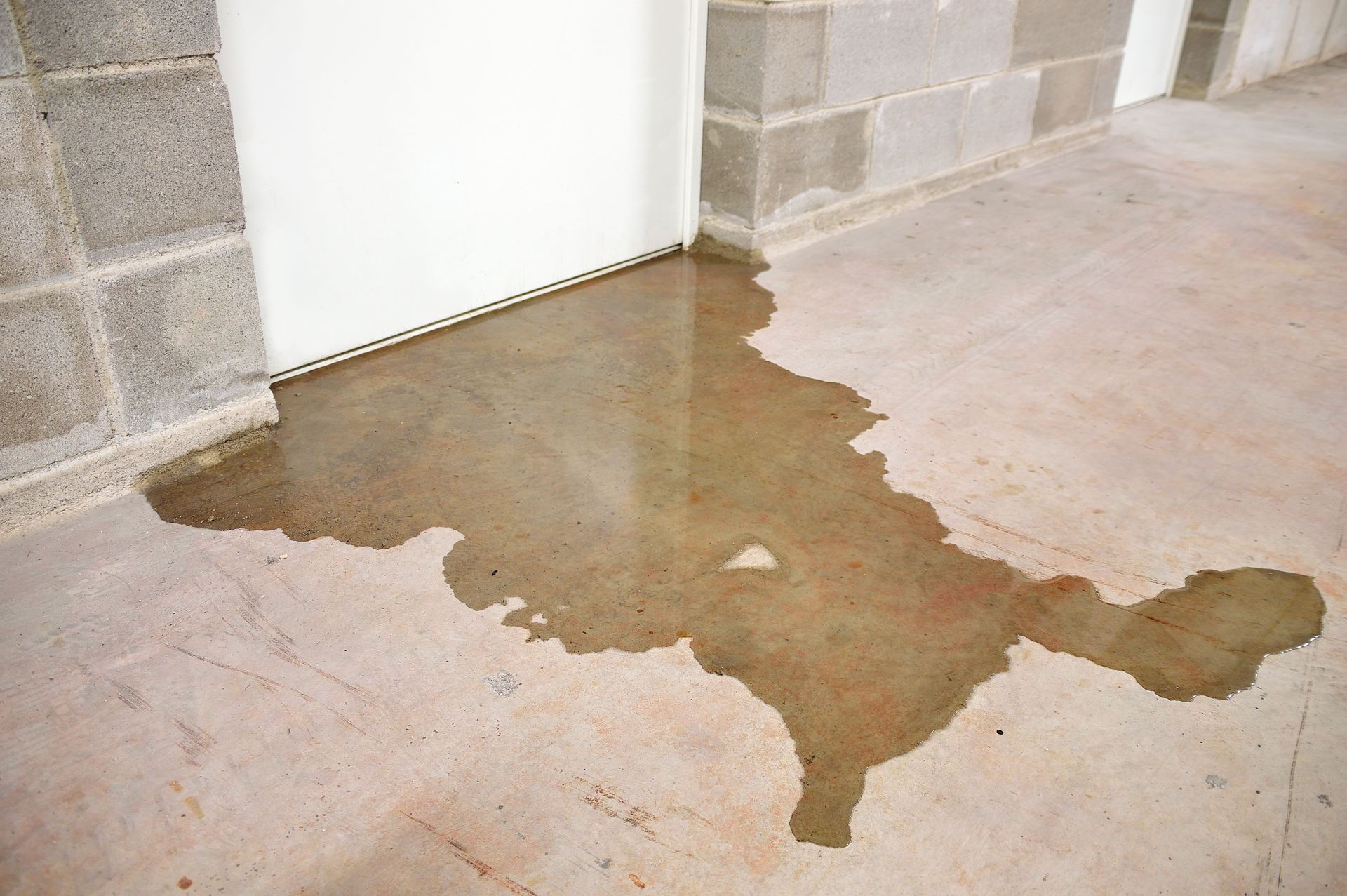
The initial step in any property restoration project is accurately evaluating your skill level and the true scope of the disaster. Overestimating your abilities can lead to serious missteps, wasted resources, and potentially hazardous situations that put your family at risk. For instance, while wiping up a small spill on a linoleum floor may seem straightforward, understanding the difference between clean tap water and contaminated sewage is absolutely critical for your safety. When moisture seeps into porous materials like drywall, insulation, or carpeting, it creates a complex environment that often requires advanced diagnostic equipment. You must determine exactly how far the moisture has spread behind the walls and under the floorboards before attempting any sort of water damage repair. Recognizing what you can realistically handle is pivotal in deciding if you should proceed on your own or step aside. Time is another vital factor when embarking on this type of endeavor. What might initially seem like a quick weekend task can quickly turn into weeks of exhausting work when unforeseen complications inevitably arise. Balancing a busy lifestyle with ongoing construction at home can add immense stress and frustration, potentially leading you to cut corners or leave projects completely unfinished. It is crucial to allocate enough time without rushing, ensuring both quality and safety are maintained throughout the entire process. Realistically evaluating your available free time helps determine if tackling the project independently is a viable option or if relying on experts might offer a much more efficient and effective solution.
Understanding the Hidden Risks
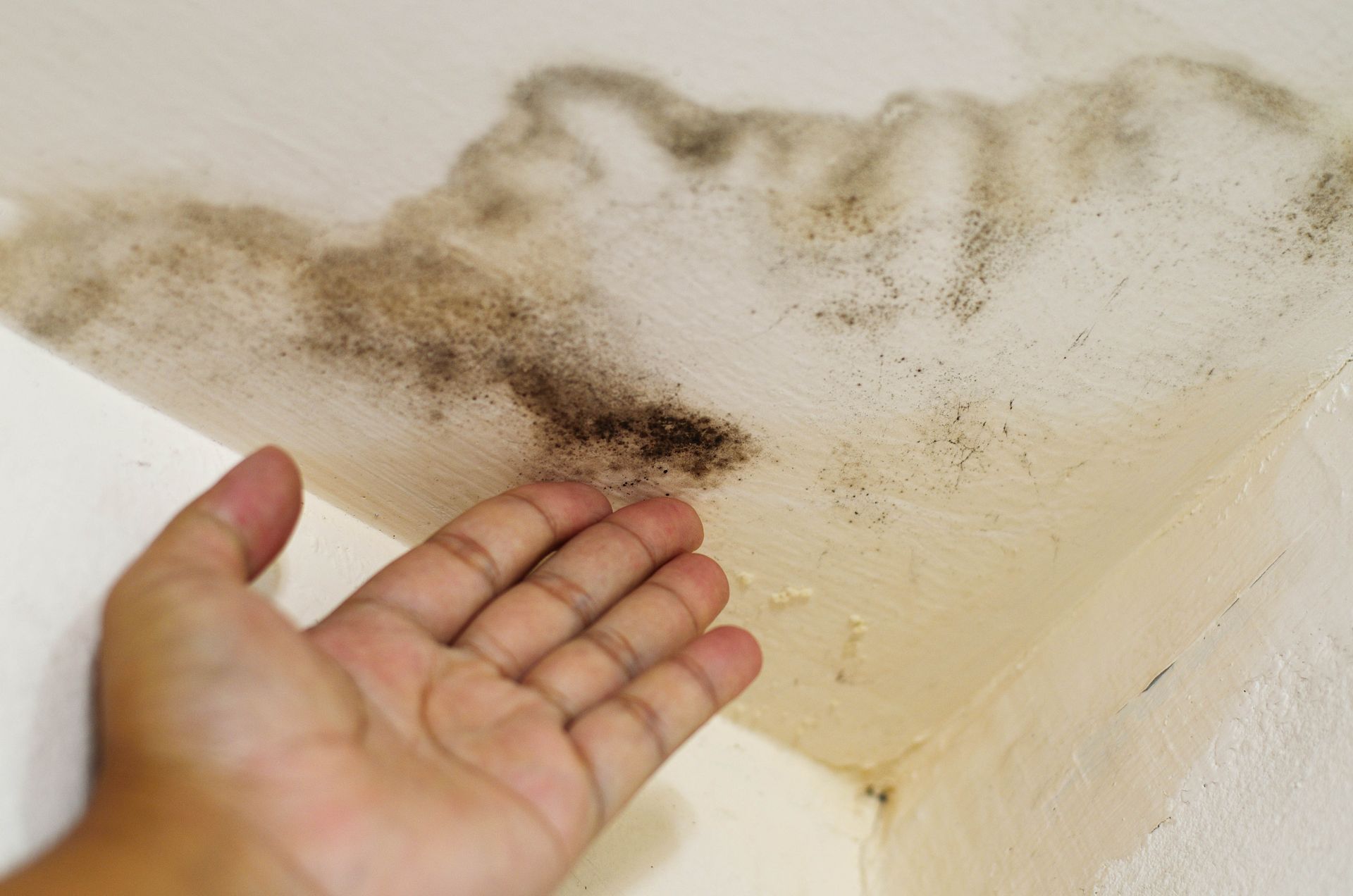
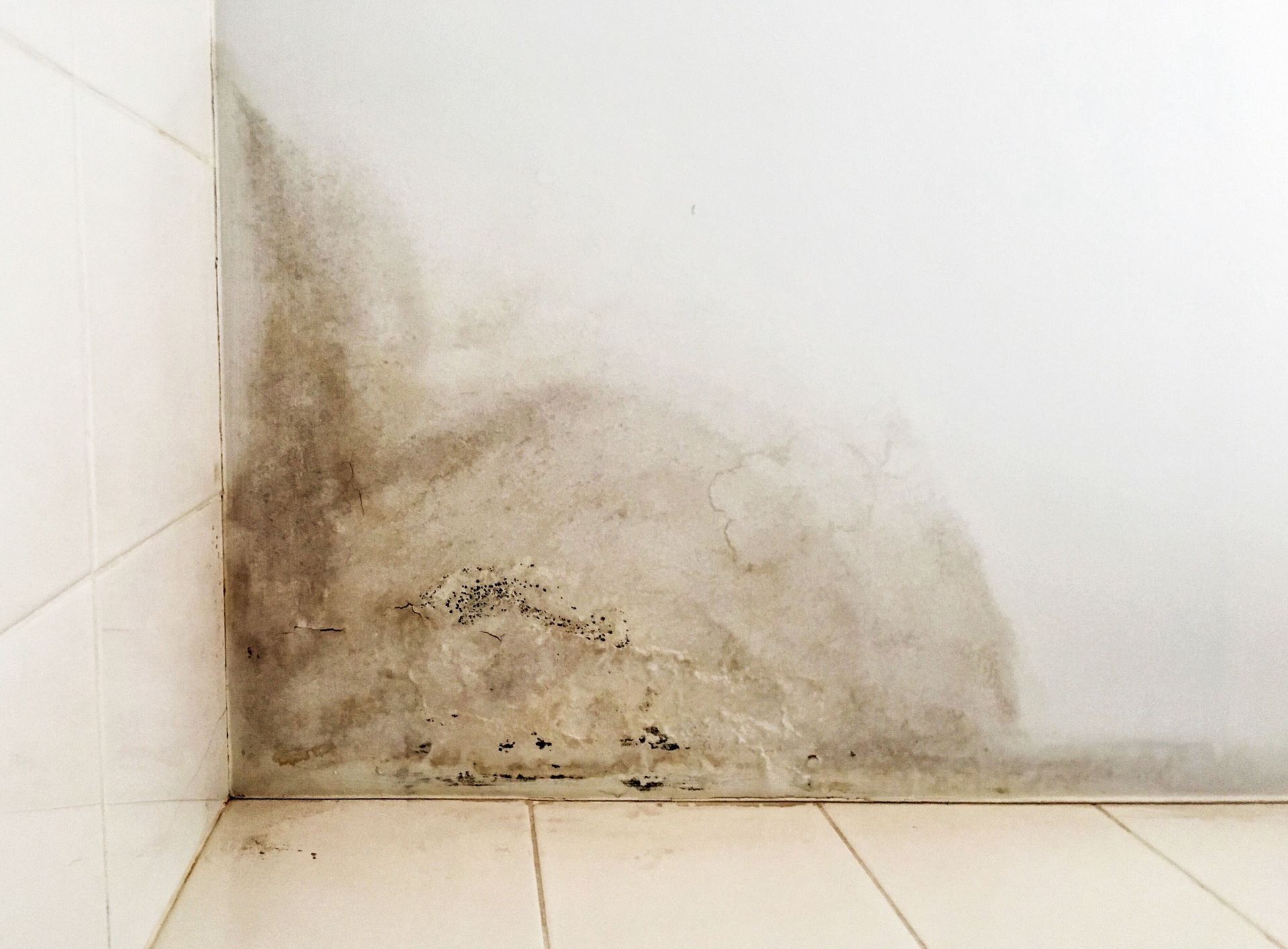
Technical requirements often define the strict boundary between casual do-it-yourself tasks and absolute professional necessity. Certain recovery projects demand specialized knowledge, such as understanding weight load distributions for structural modifications or safely navigating around compromised electrical systems. Moisture compromises the integrity of load-bearing walls and wooden supports, creating an unstable environment that could collapse without warning. Enthusiasts should thoroughly research safety guidelines and industry standards before commencing complex tasks in a compromised structure. Dealing with the aftermath of a flood often means facing invisible threats that multiply rapidly in damp, dark spaces. Fungal growth is a primary concern following any significant moisture intrusion. According to the Environmental Protection Agency, if an indoor mold growth clean-up area is less than 10 square feet, homeowners can typically handle it themselves, while larger areas require professional remediation. This clear distinction highlights the potential health hazards associated with airborne spores and respiratory irritants. Ignoring these invisible dangers during your water damage repair efforts can lead to severe long-term consequences for your property and your well-being. Furthermore, structural work is a specific area where extensive expertise is often indispensable. Identifying and altering load-bearing structures without the proper know-how can compromise the building's structural integrity and pose serious safety risks to everyone inside. Incorrect modifications during your amateur water damage repair can lead to dangerous structural failures, making it absolutely essential to prioritize safety and long-term security when dealing with any load-bearing elements of your beloved home.
Identifying the Right Tools
While independent projects can initially appear highly cost-effective, it is vital to consider all associated costs and equipment requirements before making a final decision. Standard household tools are rarely sufficient for dealing with extensive property saturation. Proper extraction and drying require industrial-grade dehumidifiers, high-capacity air movers, and specialized moisture meters that can detect hidden dampness within structural cavities. Purchasing or even renting this heavy-duty equipment can quickly become a significant financial burden. Hidden costs, like fixing inevitable mistakes or spending more on extra materials to replace ruined subflooring, should be factored into your overall estimate. On the flip side, comprehensive water damage repair professionals arrive fully equipped with state-of-the-art machinery that expedites the drying process and prevents secondary complications. A thorough cost analysis can reveal whether the apparent savings of handling the labor yourself truly outweigh the potential for unexpected financial strains and equipment rental fees. Long-term value is another key consideration when weighing independent labor against hiring seasoned experts. Although it might initially seem cheaper to use store-bought fans and towels, a project that lacks durability due to subpar execution can easily lead to earlier, significantly more expensive secondary repairs. Professional work generally adheres to much higher standards and often comes with guarantees, providing ultimate peace of mind and an increased lifespan for your major property investment. Hence, what may seem like minor savings right now could easily result in much higher monetary costs and structural headaches in the foreseeable future.
Knowing When to Call Professionals
A crucial part of any successful property recovery endeavor is knowing exactly where your limitations lie. While sheer enthusiasm and determination can drive the initial phases of the project, recognizing the strict boundary of your skills and knowledge is key to preventing costly and potentially disastrous mistakes. Differentiating between feasible, minor cleanup tasks and those that are vastly beyond your capability ensures the overall safety and structural integrity of both your home and your personal well-being. When complicated tasks exceed your personal expertise or pose severe safety risks, seeking outside help is not only prudent but highly responsible. A significant advantage experts have over enthusiastic homeowners is their proven ability to guarantee quality, speed, and precision in their daily work. Expertise acquired through extensive hands-on training and years of field experience allows technicians to deliver reliable and meticulously crafted results that stand the test of time. For extensive recovery projects that demand high precision and thoroughness, dedicated water damage repair services can ensure the flawless finish and lasting durability of the completed job. Despite thorough planning and the best of intentions, independent projects constantly present unforeseen complications that challenge even the most prepared individuals. Concealed electrical wiring hazards or suddenly unpredictable weather conditions can instantly derail a project. Delegating these complex problems to those who are specifically qualified ensures continuous progress and keeps the entire restoration project on track for a safe, timely completion.
Restoring your property after an unexpected disaster requires careful consideration of the scope, risks, and necessary tools. The do-it-yourself approach certainly offers a blend of personal fulfillment and potential initial cost savings for very minor, easily manageable spills. However, discerning when to step back offers a critical counterbalance to this endeavor. Through a highly honest assessment of your abilities, the sheer complexity of the necessary tasks, the financial implications of equipment rentals, and the pressing safety concerns, informed decisions can be easily made. Striking this perfect balance ensures excellent project outcomes and preserves the total value of your home. If you are facing a difficult situation that feels overwhelming, do not hesitate to reach out for expert guidance. Proper water damage repair is vital for maintaining a safe, healthy living environment for you and your family. Call Premier Restorations, LLC today to learn more about how we can help you restore your property quickly and efficiently.