September 15, 2026
Water damage can happen suddenly, such as after a burst pipe or appliance failure, but it can also develop gradually behind walls, beneath floors, or inside ceilings. What begins as a small leak can eventually lead to damaged building materials, mold growth, unpleasant odors, and costly repairs. Recognizing the warning signs early can help homeowners limit the damage and protect their property.
A professional water damage restoration service can identify the extent of moisture, remove standing water, dry affected materials, and address conditions that could create additional problems. The sooner restoration begins, the better the chances of saving portions of the home and its contents.
According to ConsumerAffairs, water damage accounted for nearly 24% of all U.S. homeowner insurance claims during the most recent year for which complete data was available, demonstrating just how common these incidents can be. Understanding the signs of water damage and knowing when to call for professional help can make a significant difference.
What Are the Early Signs That Water Damage Is Occurring?
Some forms of water damage are obvious. A flooded basement, overflowing appliance, or burst pipe demands immediate attention. However, hidden water damage can be more difficult to recognize.
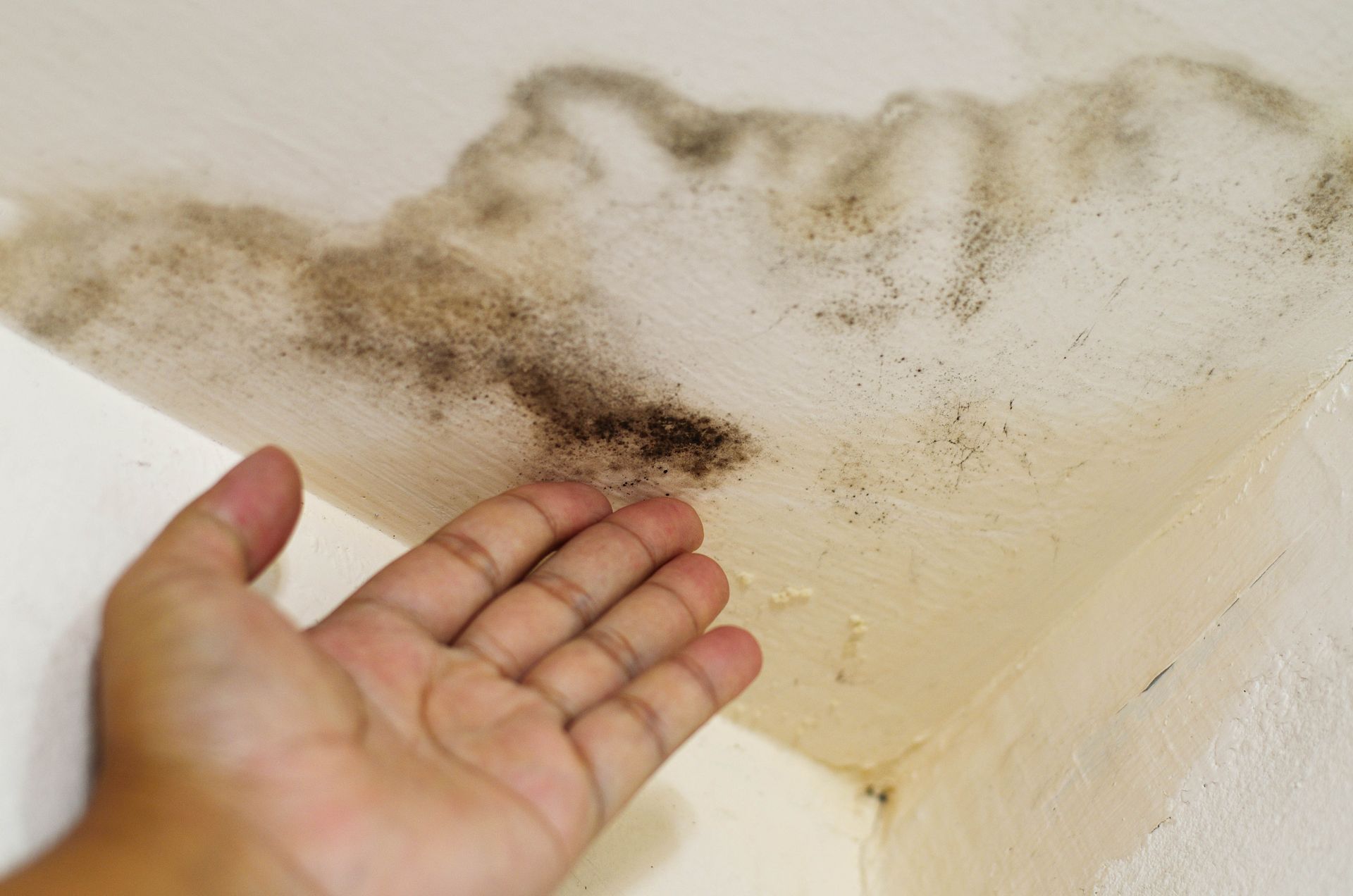
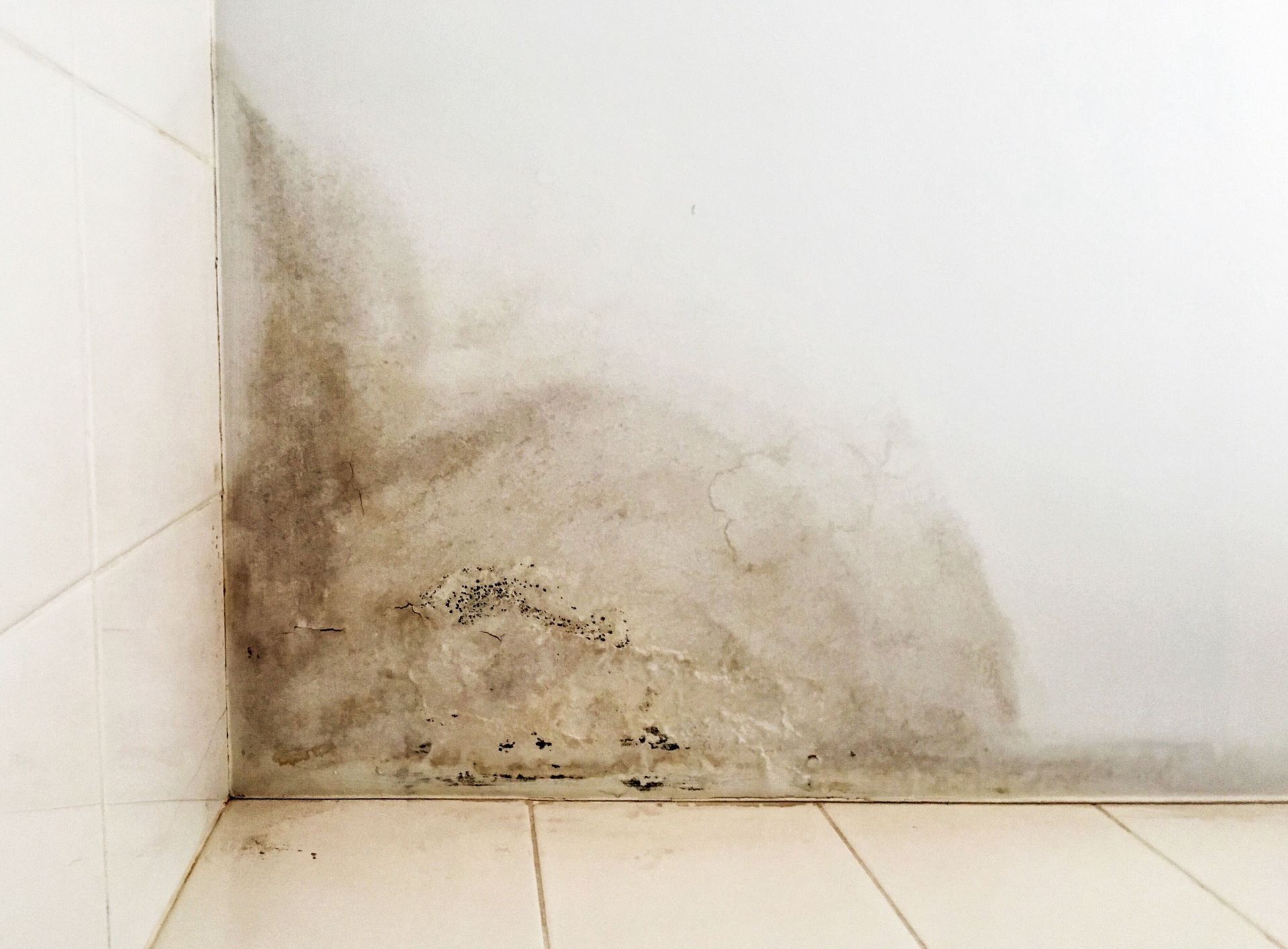
One of the most common warning signs is discoloration. Yellow, brown, or dark stains on ceilings and walls may indicate that water has entered the area behind the surface. Paint that bubbles, peels, or cracks can also suggest excessive moisture.
Changes to flooring are another potential sign. Hardwood may warp or buckle, laminate flooring may separate, and carpeting may feel damp. Tile and other hard surfaces can sometimes conceal moisture beneath them, allowing damage to continue unnoticed.
Homeowners should also pay attention to odors. A persistent musty smell can indicate excess moisture or microbial growth. Even when there is no visible standing water, an unusual odor may signal that moisture is trapped inside building materials.
Why Is It Important to Act Quickly on Water Damage?
Water damage rarely remains limited to its original location. Water follows gravity and can travel through small openings, absorb into porous materials, and spread beneath flooring. As time passes, materials may become increasingly difficult to dry and restore.
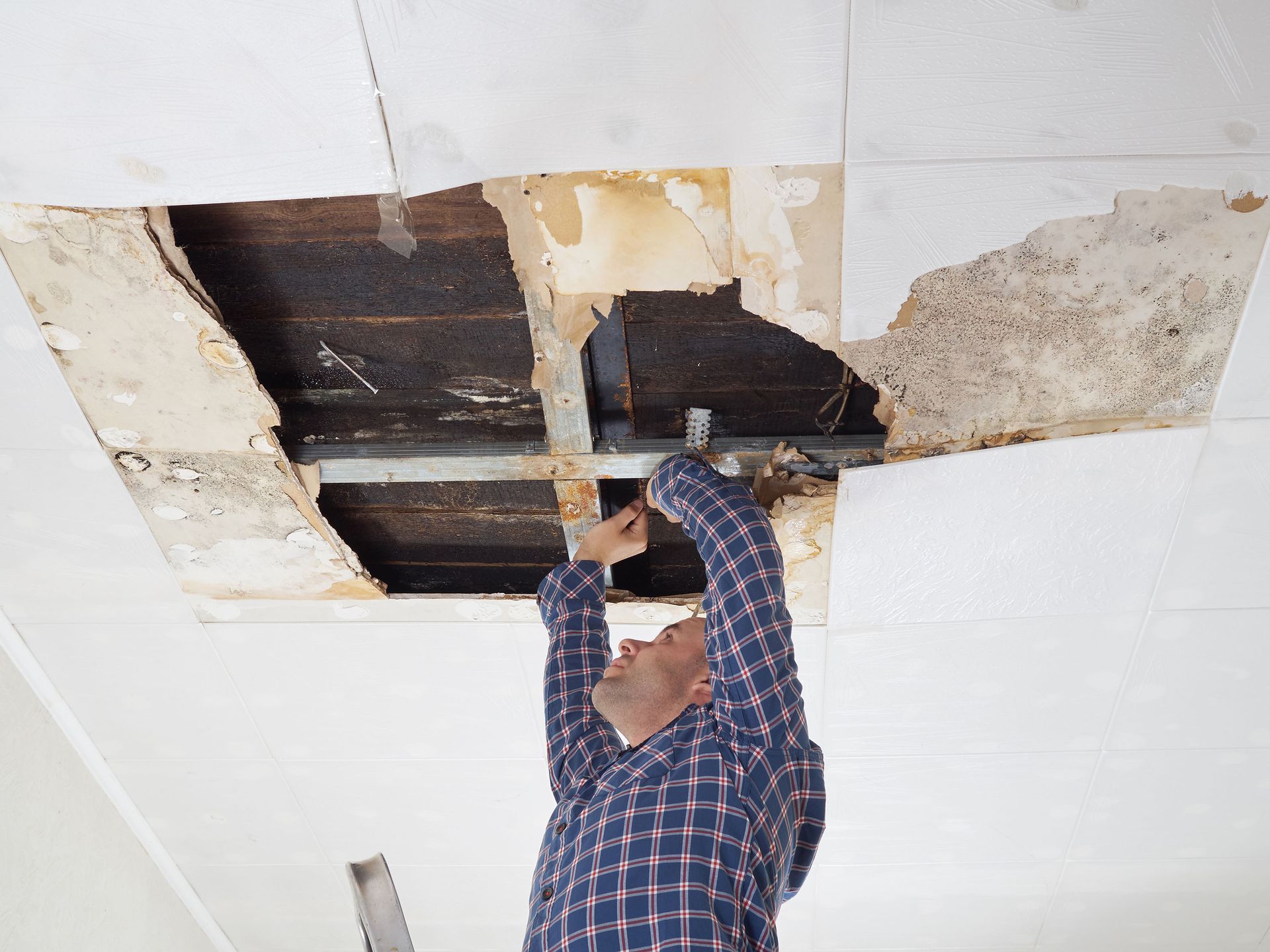
For example, a small leak on an upper floor may eventually affect the ceiling below. Water can soak into insulation, drywall, wood framing, carpeting, and personal belongings. By the time a visible stain appears, moisture may already have affected a larger area.
Acting quickly may help reduce the need for extensive demolition and replacement. A professional water damage restoration service can begin removing water and drying affected areas before moisture causes further deterioration.
Prompt action is also important because prolonged moisture can create conditions that support mold growth. Mold can develop in damp environments, particularly when materials remain wet for an extended period. Addressing moisture promptly helps reduce the likelihood of additional remediation work later.
Electrical hazards can also become a concern when water reaches outlets, appliances, wiring, or electrical panels. Homeowners should avoid entering areas with standing water if electrical equipment may be affected. When safety concerns exist, the appropriate professionals should assess the situation before cleanup begins.
How Do You Choose a Professional Water Damage Restoration Service?
Choosing the right company can make an important difference when dealing with an emergency. Water damage situations can be stressful, so homeowners should look for a company that communicates clearly and responds appropriately to the circumstances.
Availability is an important consideration. Water damage does not always occur during regular business hours. A company that can respond promptly may help limit the amount of time water remains inside the property.
Homeowners should also ask about the company's restoration process. A reputable water damage restoration service should be able to explain how it evaluates the damage, removes water, dries the affected area, and monitors moisture levels.
Experience and training are also worth considering. Water damage restoration can involve different types of materials and contamination levels. A restoration professional should understand how to approach situations involving clean water, potentially contaminated water, or sewage backups.
Clear communication is another valuable quality. Property owners should understand what work is being performed and why it is necessary. The company should explain the anticipated process and provide information about the condition of affected materials.
When possible, homeowners can also research a company's reputation by reviewing customer feedback and asking questions before work begins. During a significant emergency, however, immediate action may be necessary to prevent additional damage.
What Tools and Techniques Do Professionals Use in Water Damage Restoration?
Professional restoration involves more than simply removing visible water. The goal is to identify moisture, remove excess water, dry affected materials, and monitor the property throughout the process.
Professionals may begin with an inspection of the affected area. They can look for visible damage while also using equipment designed to identify moisture in materials that appear dry on the surface.
Moisture meters can help determine whether walls, flooring, and other materials contain excess moisture. Thermal imaging equipment may also help professionals identify temperature differences associated with wet areas.
After evaluating the damage, a water damage restoration service may use extraction equipment to remove standing water. Powerful pumps and vacuums can remove larger quantities of water more efficiently than household equipment.
The drying process may involve specialized air-moving equipment and dehumidifiers. Air movers help promote evaporation, while dehumidifiers remove moisture from the air. Together, these tools can help dry building materials under controlled conditions.
Professionals may also remove materials that cannot be effectively dried or restored. Depending on the situation, this could include damaged drywall, insulation, carpeting, or other porous materials.
Monitoring is an important part of the process. Drying equipment should not simply be placed in a room and forgotten. Restoration professionals may periodically measure moisture levels and adjust their equipment based on the property's condition.
What Are the Costs Involved in Professional Water Damage Restoration Services?
The cost of professional restoration can vary considerably. Several factors influence the final price, including the amount of water involved, the size of the affected area, the source of the water, and the materials that have been damaged.
A small area affected by clean water may require less extensive work than a large area exposed to contaminated water. For example, a minor plumbing leak may involve extraction and drying, while a sewage backup can require more extensive cleaning and removal of affected materials.
The location of the damage also matters. Water inside an easily accessible room may be simpler to address than moisture trapped behind walls or beneath multiple layers of flooring.
The length of time water has been present can influence costs as well. The longer moisture remains inside a structure, the more likely it is that additional materials will be affected. Promptly contacting a water damage restoration service may help reduce the scope of the project.
Insurance coverage may help with certain types of water damage, depending on the cause and the homeowner's policy. Coverage often differs between sudden and accidental events, gradual leaks, sewer backups, and flooding. Homeowners should review their policies and contact their insurance providers when appropriate.
Take Water Damage Warning Signs Seriously
Water damage can begin with something as small as a slow leak, but the consequences can become increasingly serious when moisture remains inside a home. Discoloration, musty odors, warped flooring, peeling paint, and damp materials can all indicate that water has caused or is continuing to cause damage.
Responding quickly can help limit the spread of moisture and reduce the potential for further property damage. While homeowners may be able to manage some minor issues, significant water intrusion and suspected hidden moisture often require professional attention.
A professional
water damage restoration service can assess the situation, locate moisture, remove water, dry affected materials, and help restore the property. By recognizing the warning signs and acting quickly, homeowners can take an important step toward protecting their homes and avoiding a larger restoration project later. If you've experienced water damage, reach out to the team at Premier Restorations, LLC today!