November 16, 2026
Water intrusions represent some of the most destabilizing challenges any residential property owner can encounter. Structural materials absorb standing liquid rapidly, threatening the physical stability of framing, flooring, and interior finishes. Navigating the aftermath of a burst plumbing line, severe weather event, or appliance overflow requires an organized, methodical response to prevent compounding destruction. A homeowner facing substantial structural dampness must rely on knowledgeable professionals equipped with specialized training, advanced instrumentation, and calibrated drying mechanisms. The selection of a dependable water damage restoration service establishes the foundation for returning an impacted living space to a secure, stable, and habitational state.
Identifying an appropriate vendor requires evaluating numerous technical proficiencies alongside regulatory credentials. Because moisture migration follows pathways through subflooring, insulation, and interior cavities, surface-level drying remains wholly insufficient. Engaging a certified contractor eliminates the hazards of hidden fungal proliferation, persistent odor development, and compromised structural integrity. Homeowners benefit immensely from recognizing the fundamental principles of structural drying, industry safety standards, and logistical coordination before committing to a contracted provider. Selecting an experienced service partner mitigates property losses, curtails peripheral secondary destruction, and restores the safety of the residence without delay.
Identifying Water Classifications and Systemic Causes
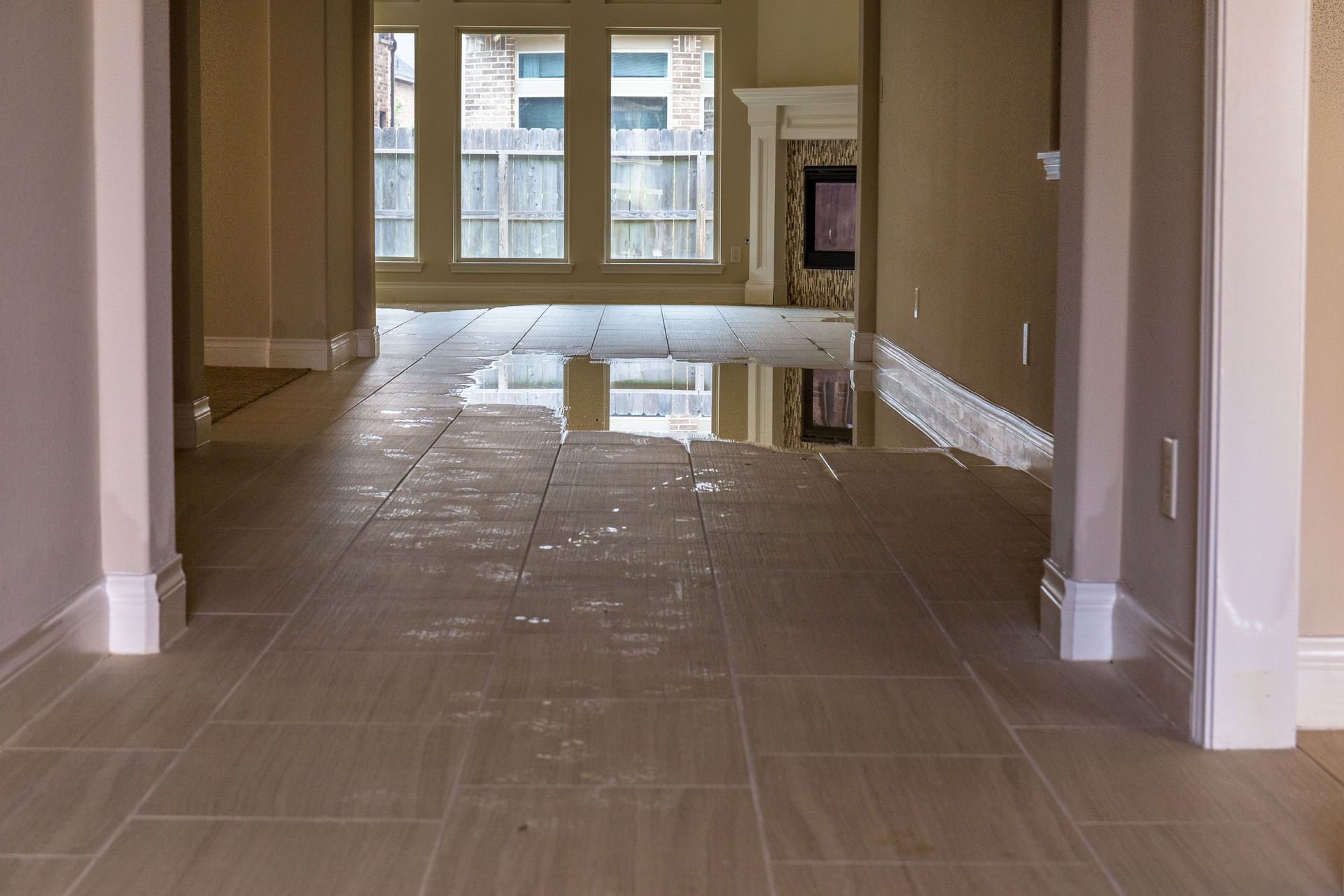
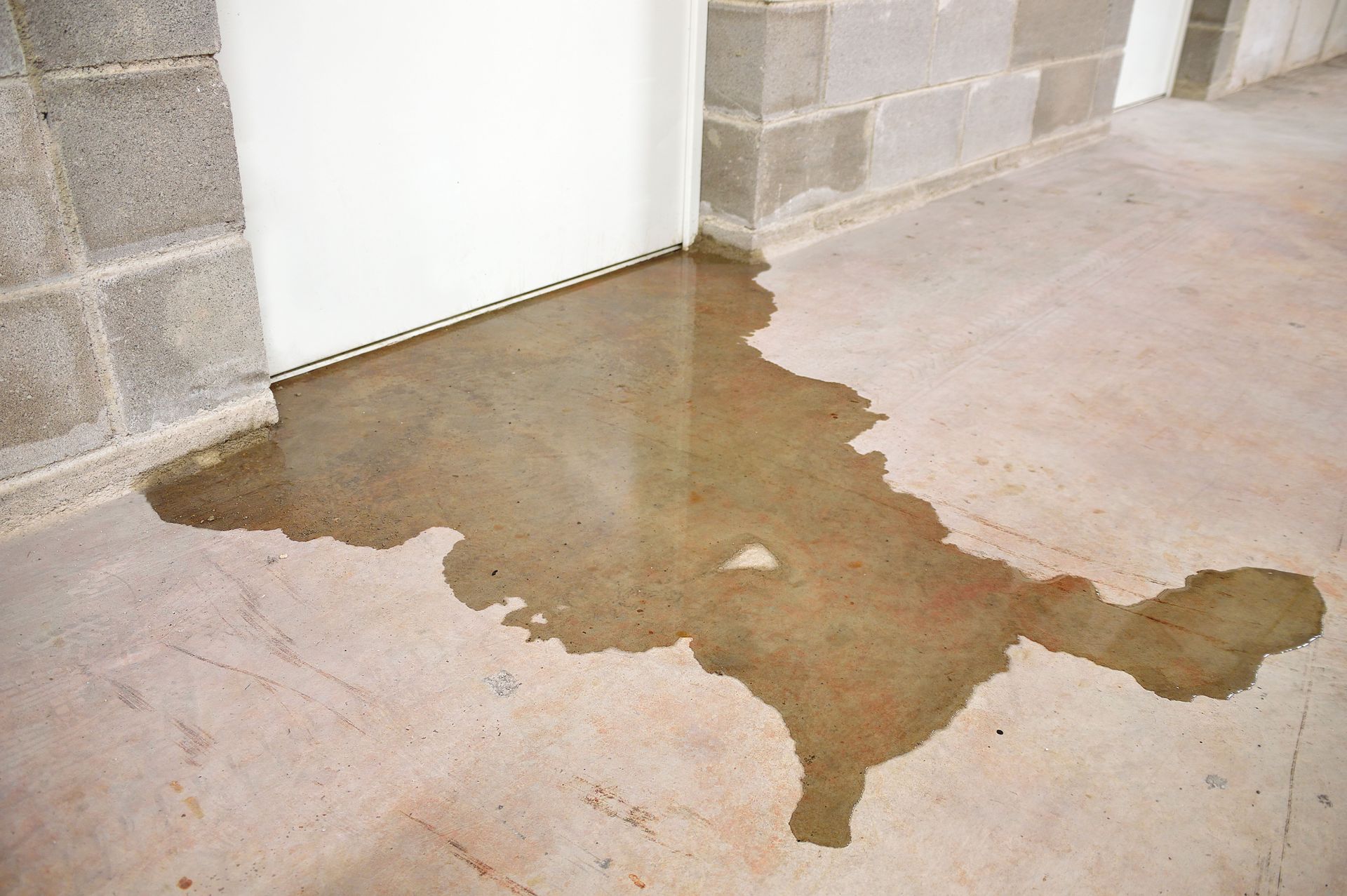
Every water loss presents a distinct level of microbiological or chemical contamination that dictates the safety protocols required during extraction. The restoration industry categorizes water into three primary categories based on the source and sanitary condition of the fluid. Clean water, originating from broken supply lines or sink overflows, contains minimal contaminants during initial stages. Grey water originates from domestic appliances such as dishwashers or washing machines and carries biological matter or chemical residues. Black water, which includes municipal sewage backups, seawater, or overland floodwaters, carries toxic pathogens and requires rigorous containment procedures. Swift categorization allows a water damage restoration service to establish suitable engineering controls and isolate contaminated building zones effectively.
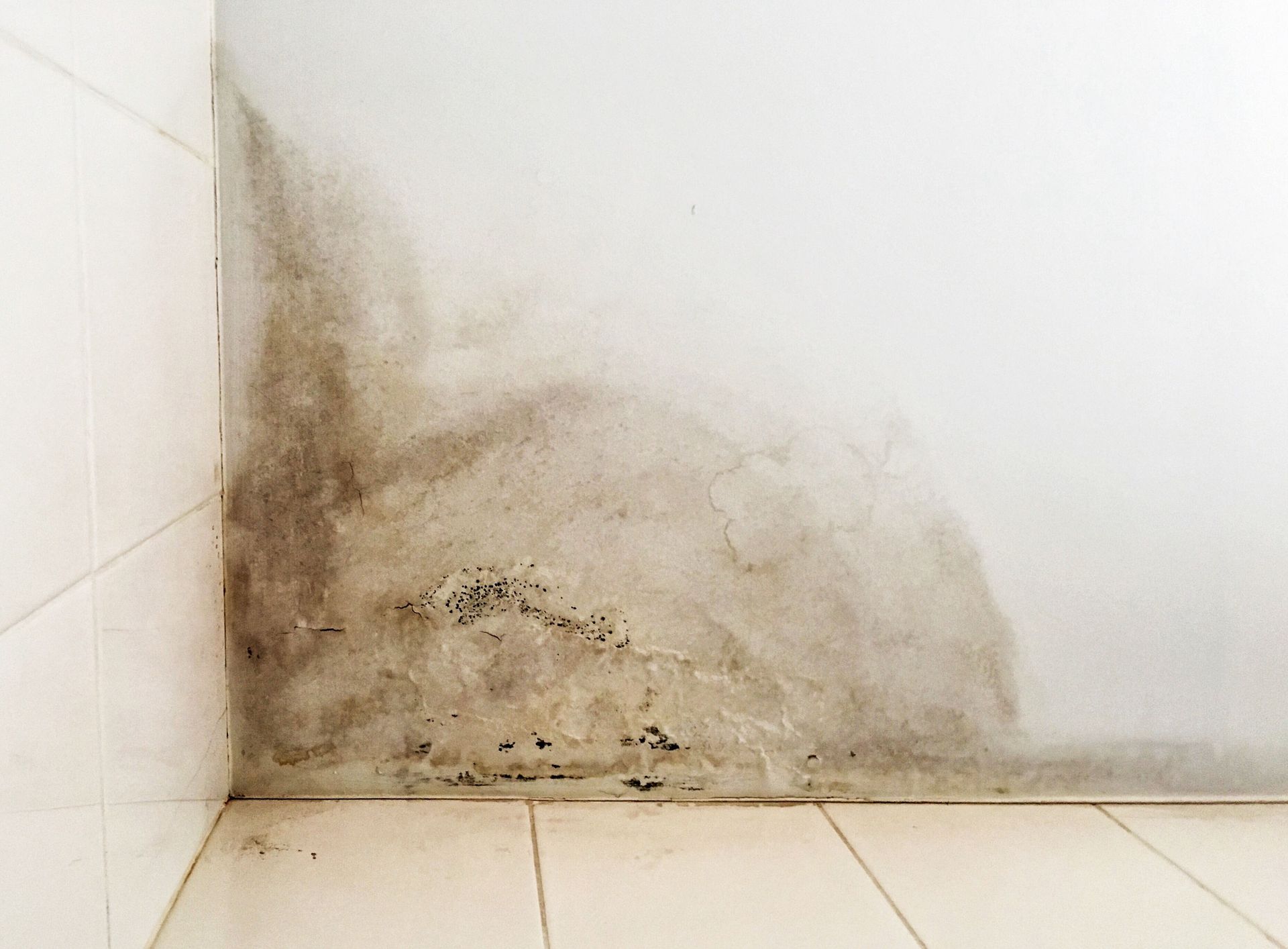
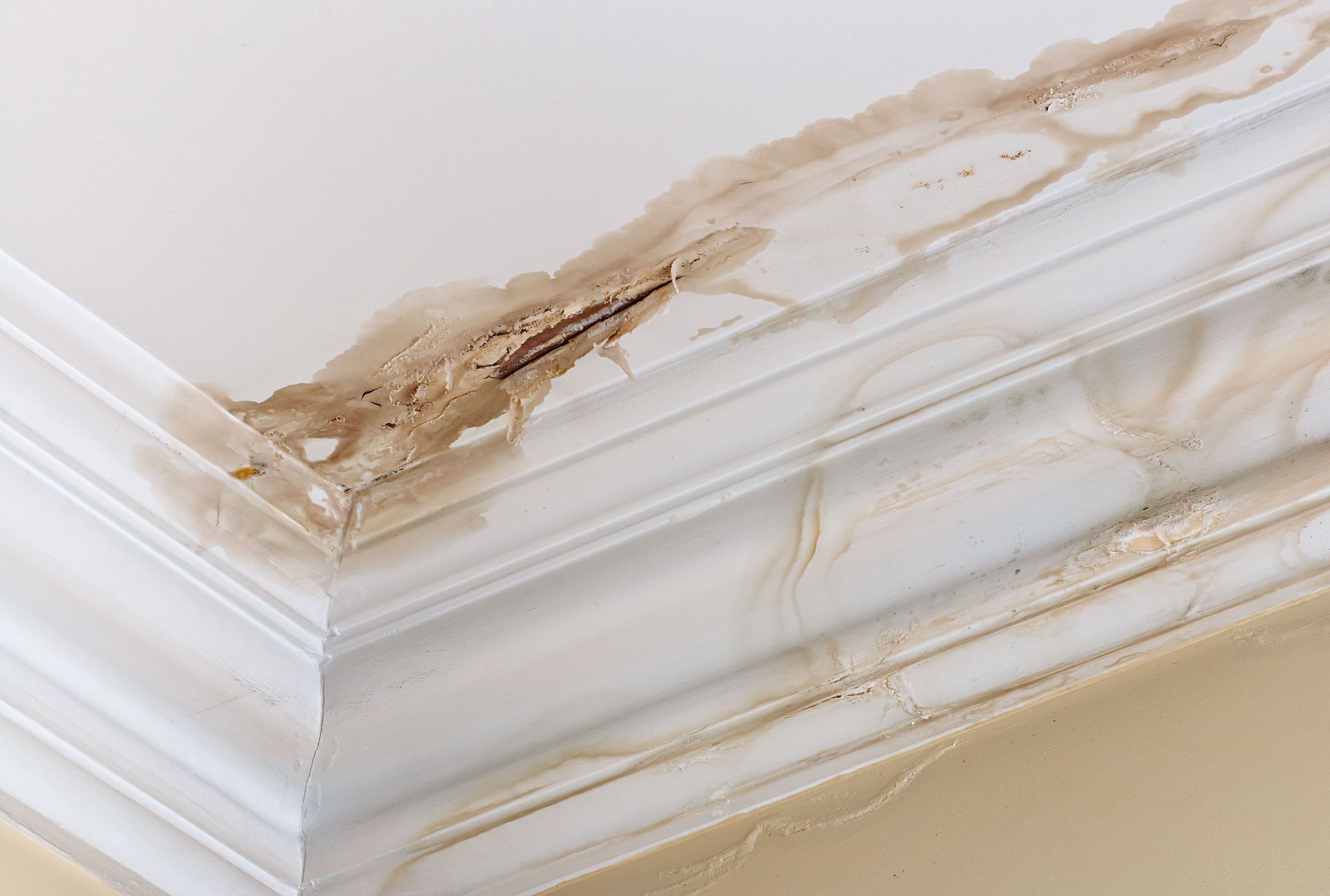
Beyond fluid classifications, the environmental mechanisms governing moisture penetration require careful consideration. In basements, moisture can accumulate due to poor ventilation, creating ideal conditions for mold growth. According to RubyHome, 98% of basements in the U.S. will experience some water damage at least once. Regular checks and balances, such as ensuring proper ventilation and humidity control, are crucial to prevent water-related issues. Plumbing defects, foundation settlement, failing sealants, and exterior grading issues similarly channel moisture into hidden wall cavities. Unchecked moisture leads to catastrophic rot, subfloor delamination, and microbial colonization that degrade building envelopes. Thorough diagnostic procedures guarantee that both the primary fluid source and peripheral structural saturation receive prompt attention.
Evaluating Technical Credentials and Industry Standards
Vetting the professional background of potential restoration candidates demands an inspection of their certifications and operational compliance. Leading organizations in this industry hold certifications issued by the Institute of Inspection, Cleaning and Restoration Certification, known globally as the IICRC. These credentials confirm that technicians have undergone structured academic instruction and practical assessments in applied structural drying, psychrometry, and microbial remediation. Homeowners should verify that any contracted water damage restoration service carries active municipal licenses, comprehensive general liability coverage, and workers compensation policies. Operating with fully credentialed contractors shields property owners from liability while assuring that remediation processes satisfy regional building and health safety codes.
Adherence to standardized guidelines guarantees consistent workmanship across all phases of structural mitigation. Certified professionals follow established technical benchmarks like the IICRC S500 Standard for Professional Water Damage Restoration, which details moisture inspection, equipment formulas, and sanitization protocols. Working with compliant firms guarantees meticulous job site documentation, including environmental logs, daily psychrometric charts, and moisture mapping records. This administrative precision simplifies communication with homeowners and satisfies the evidentiary standards mandated by property insurance adjusters. Contracting a credentialed firm ensures that specialized remediation protocols align precisely with scientific guidelines rather than arbitrary estimates.
Inquiring About Specialized Equipment and Monitoring
Modern structural restoration relies heavily on advanced instrumentation to detect moisture behind finished surfaces without invasive dismantling. Technicians employ non-penetrating radio frequency meters, deep-wall pin probes, and infrared thermography cameras to trace hidden water travel through drywall and masonry. Without these diagnostic resources, moisture trapped inside insulation layers or beneath hardwood flooring remains undetected, leading to chronic decay. Once technicians define the boundary of the moisture footprint, industrial extraction machines draw trapped fluid out of carpet assemblies and subfloors. A technically proficient water damage restoration service calculates drying dynamics using target metrics, ensuring the drying plan accounts for relative humidity, ambient temperature, and vapor pressure.
Equally vital to successful recovery is the deployment of commercial-grade environmental control equipment within the affected zones. Technicians position centrifugal air movers to generate continuous airflow across wet surfaces, transforming liquid water into vapor. Concurrently, industrial refrigerant or desiccant dehumidifiers extract that evaporated moisture from the air, maintaining a balanced drying cycle that prevents condensation from forming on unaffected building materials. High-efficiency particulate air scrubbers run continuously to filter airborne spores and particulate matter from indoor atmospheres. Ongoing daily monitoring and iterative equipment adjustments ensure materials dry back to baseline equilibrium moisture contents safely and systematically.
Reviewing Insurance Coordination and Financial Scope
Water mitigation projects introduce substantial financial considerations that require transparent communication and structured billing systems. Reputable restoration contractors generate itemized cost estimates utilizing standardized estimating software such as Xactimate, which calculates fair-market pricing for regional labor, equipment usage, and disposables. Transparent estimates break down structural drying, demolition, antimicrobials, and debris management clearly. Obtaining a complete written appraisal protects property owners from unexpected ancillary charges while providing a predictable baseline for project scope. A reputable water damage restoration service reviews project expenses openly with clients, articulating the direct correlation between specific remediation procedures and overall structural safety.
Coordinating directly with property insurance adjusters represents another essential capability of a premier restoration contractor. Insurance carriers maintain rigid documentation requirements regarding proof of loss, cause of origin, and justifiable mitigation interventions. Seasoned remediation specialists document moisture readings, take visual evidence, and draft physical floor plans that validate the scope of necessary work directly to the insurer. This direct liaison reduces bureaucratic delays, prevents coverage misunderstandings, and accelerates claim processing. By partnering with a firm that possesses extensive experience in claims documentation, homeowners navigate the financial aspects of recovery with clarity and structural protection.
Assessing Comprehensive Remediation and Environmental Care
A robust remediation company provides multifaceted solutions designed to resolve complex, interlocking structural damage. While water extraction and moisture removal constitute the immediate operational phase, secondary damage often mandates specialized complementary services. Prolonged saturation frequently leads to fungal infestations, requiring dedicated microbial remediation, structural air washing, and containment barrier installation. Damaged wallboards, swollen baseboards, and saturated insulation require sanitary removal and controlled disposal to facilitate complete cavity aeration. Engaging a versatile water damage restoration service ensures that extraction, decontamination, and environmental cleaning proceed simultaneously under a single coordinated strategy.
A full-service restoration provider also addresses indoor air quality, deodorization, and final structural preparation. Contaminated moisture leaves behind offensive odors that cannot be rectified by superficial masking agents. Certified remediation specialists employ hydroxyl generators, thermal foggers, and antimicrobial surface treatments to neutralize volatile organic compounds and volatile bacterial metabolites at the molecular level. Technicians apply botanical or industrial disinfectants across exposed framing to inhibit subsequent fungal growth before new construction materials are installed. Selecting a restoration provider with comprehensive technical expertise ensures that the home returns to a thoroughly dry, hygienic, and structurally sound condition.
Restoring a home following severe water intrusion demands swift, organized, and scientifically sound intervention. Ignoring trapped moisture or relying on unverified contractors can lead to devastating structural decline, persistent fungal exposure, and expensive structural repairs. Throughout the vetting process, homeowners must prioritize companies that exhibit verified professional credentials, advanced diagnostic tools, transparent estimates, and proven insurance experience. Selecting a reputable
water damage restoration service ensures your property receives the dedicated technical attention required for a safe, complete recovery.
Do not allow unexpected water infiltration to compromise the long-term structural integrity and environmental safety of your property. For immediate emergency response, thorough moisture detection, and certified structural drying, contact Premier Restorations, LLC today to consult with our specialized recovery team and arrange an on-site property evaluation.