November 16, 2026
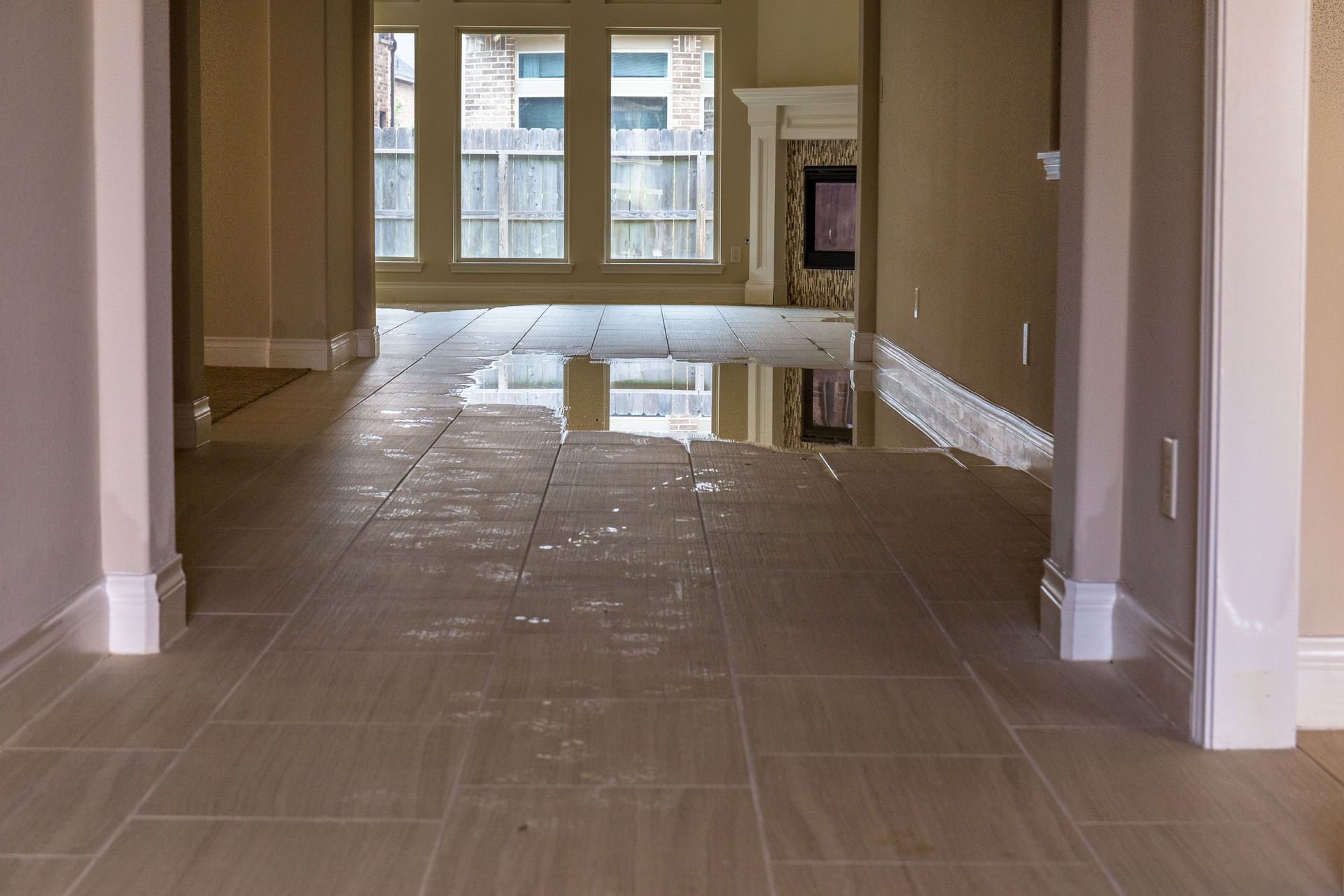
Water damage is one of the most frustrating problems any homeowner can face. Water is essential for daily life, but when it escapes into floors or walls, it can quickly ruin building materials and destroy personal property. Most household floods start with quiet, tiny drips that go unnoticed for weeks. Learning basic maintenance steps helps you spot trouble early and protect your living space. Taking simple preventative actions today prevents costly disruptions tomorrow.
Repairing a flooded room is stressful, which is why top water damage companies encourage homeowners to practice consistent prevention. Catching moisture problems early keeps your family safe and preserves your property value. You do not need special tools or technical training to protect your home from sudden leaks. All you need is a steady routine and a watchful eye. Here are six practical household tasks to keep your living space safe, dry, and protected.
1. Maintaining Your Plumbing System
Your home plumbing system brings fresh water inside every day, so keeping it in good shape is critical. Take time every few months to check under your sinks, around your toilets, and near your water heater for signs of dampness. Even a minor drip can indicate a loose pipe fitting or corroded joint. Checking your water pressure with a simple gauge is another easy step, as excess pressure strains pipes and causes sudden bursts.
In freezing weather, insulating exposed pipes in unheated crawl spaces and garages prevents them from bursting open. Taking care of your water heater is equally important, because an old tank can rust through and spill gallons across your floor. Experienced water damage companies often remind homeowners that annual plumbing checkups catch hidden leaks before structural rot sets in. Flushing sediment from your water tank once a year keeps it working safely and extends its lifespan.
2. Managing Your Roof and Gutters
Your roof and gutters work together to channel rain and melting snow away from your house. When gutters fill with dry leaves and twigs, water cannot flow freely and quickly spills over the edges. This overflow soaks into your roof eaves and pools along your foundation. Clean your gutters thoroughly in late spring and late autumn. According to Home Advisor, gutters may need to be replaced every 20 years to maintain proper drainage and prevent water damage.
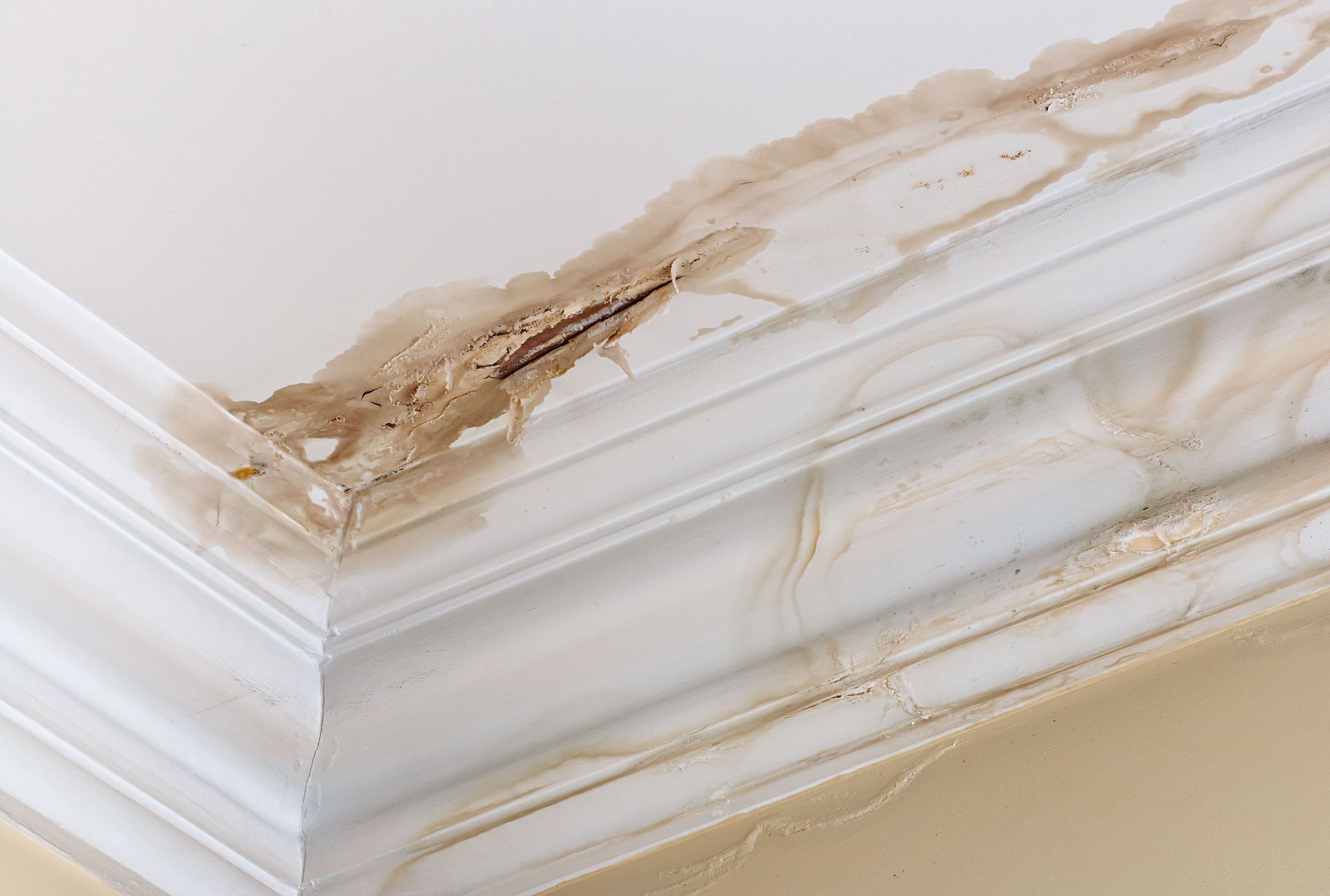
Make sure your downspouts direct water five to ten feet away from your foundation. Trim tree branches that hang over your roof to stop falling limbs from cracking shingles and dropping leaves into gutters. Trusted water damage companies explain that missing shingles cause hidden ceiling leaks during heavy summer storms. Inspect your roof safely from the ground using binoculars after windstorms. Catching missing shingles or cracked metal flashing early keeps moisture out of your attic.
3. Protecting Your Kitchen and Bathrooms
Bathrooms and kitchens use water constantly, making them prime spots for hidden leaks. Caulking and grout around your tubs, showers, and sinks create a vital waterproof barrier. Over time, caulk can crack or peel, allowing water to soak into the walls and rot the subfloor beneath your feet. Check these seals every six months and recaulk any loose gaps right away. Fix dripping sink faucets promptly to prevent overflow accidents and reduce water waste.
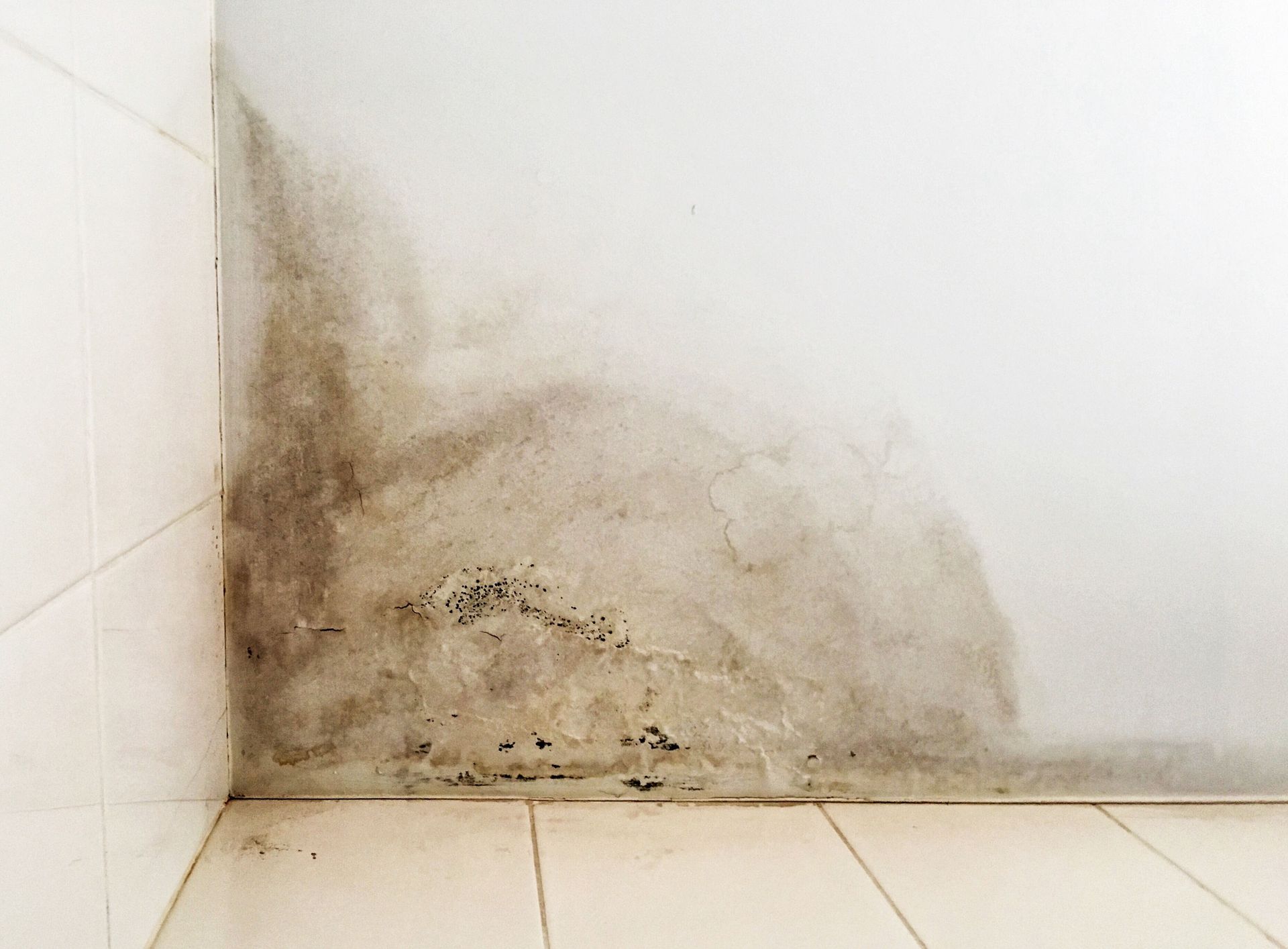
Proper ventilation is just as essential as tight caulking. Turn on your bathroom exhaust fan during showers and let it run for twenty minutes afterward. When cooking, use the exhaust vent over your stove to draw steam outside. Clearing excess moisture from the air prevents stubborn mold and mildew from weakening your drywall and cabinets. Keep cabinets under sinks organized so you can spot pooling water or rusted drain pipes the moment they appear.
4. Servicing Your Household Appliances
Household appliances make daily life easy, but machines that use water can also cause serious indoor flooding. Washing machines, dishwashers, and refrigerator ice makers rely on flexible supply hoses that wear out over time. Inspect these lines twice a year for cracks, bulges, or loose connections. Replace standard rubber hoses with braided stainless steel lines that resist bursting. Never run your washing machine or dishwasher when leaving your house for the day.
Placing small, battery-operated water alarms near major appliances provides instant peace of mind. These inexpensive sensors sound a loud chime the moment water touches their contacts, alerting you before puddles spread across your subfloors. Local water damage companies often respond to severe home floods caused by cracked plastic valves or torn rubber hoses. Cleaning lint filters and checking appliance seals regularly prevents malfunctions. Routine maintenance on your home appliances keeps small leaks from causing major disasters.
5. Securing Your Basement and Foundation
Basements and foundations are especially vulnerable because they sit below ground level where moisture naturally gathers. Walk around the perimeter of your house each spring to inspect the concrete for shifting soil or hairline cracks. The soil surrounding your exterior walls should slope downward away from the foundation. This gentle grade directs rainfall safely out into your yard. Seal small masonry cracks with waterproof hydraulic cement to stop groundwater from seeping into your basement space.
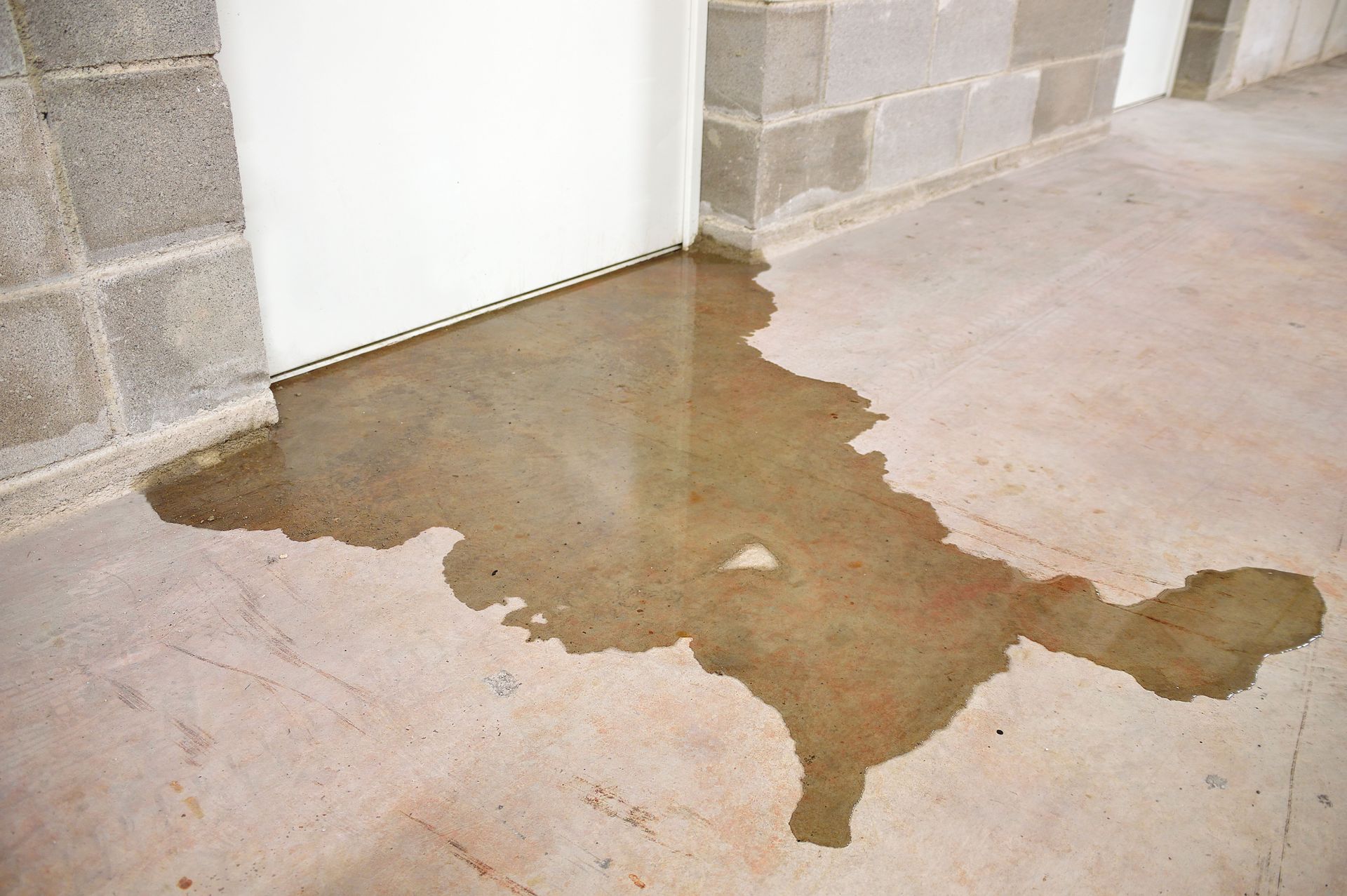
If your home has a sump pump, test it before rainy weather begins by pouring water into the pit until the pump kicks on. Professional water damage companies recommend installing a battery backup unit for your sump pump. Severe storms often knock out electrical power right when your pump is needed most. A reliable battery backup keeps the pump running through blackouts, preventing basement flooding. Using a dehumidifier also keeps air dry and stops mold growth.
6. Preparing Your Home for Seasonal Weather
Each changing season brings distinct weather conditions that can put your home at risk for moisture intrusion. In late autumn, disconnect and drain every outdoor garden hose, and shut off interior shutoff valves leading to exterior faucets. Water trapped inside an outdoor spigot will freeze during winter, rupture the copper pipe, and cause major indoor flooding when thawed. Cover outside spigots with insulated foam covers to shield your plumbing from bitter freezing winds.
When spring arrives, check window caulking and weatherstripping to stop driving rain from entering your living spaces. Before summer heat sets in, inspect your air conditioner condensation drain line to ensure water flows away easily. A clogged drain line can cause condensate pans to overflow, damaging ceilings and walls below. Experienced water damage companies regularly handle ceiling repairs caused by clogged cooling lines. Performing simple seasonal tasks shields your household against severe weather disasters.
Restoring Your Home with Confidence
Protecting your home from water damage does not require professional training or expensive equipment. By adding these simple maintenance tasks into your seasonal routine, you can easily stop leaks before they ruin your property. Regular plumbing checks, clean gutters, inspected appliances, and a dry foundation work together to keep your house sturdy and safe. Proactive maintenance protects your family budget, preserves your property value, and gives you lasting confidence throughout the entire year.
Even the most attentive homeowners can still face unexpected pipe bursts, sudden roof leaks, or severe weather flooding. When water accidents happen, calling experienced water damage companies ensures that standing moisture is removed quickly and safely. Professional cleanup prevents hidden mold and structural decay from spreading behind walls. For prompt, reliable, and friendly emergency assistance, reach out to Premier Restorations, LLC to restore your home completely. Taking fast action protects your property and restores your living space with total confidence.