July 16, 2026
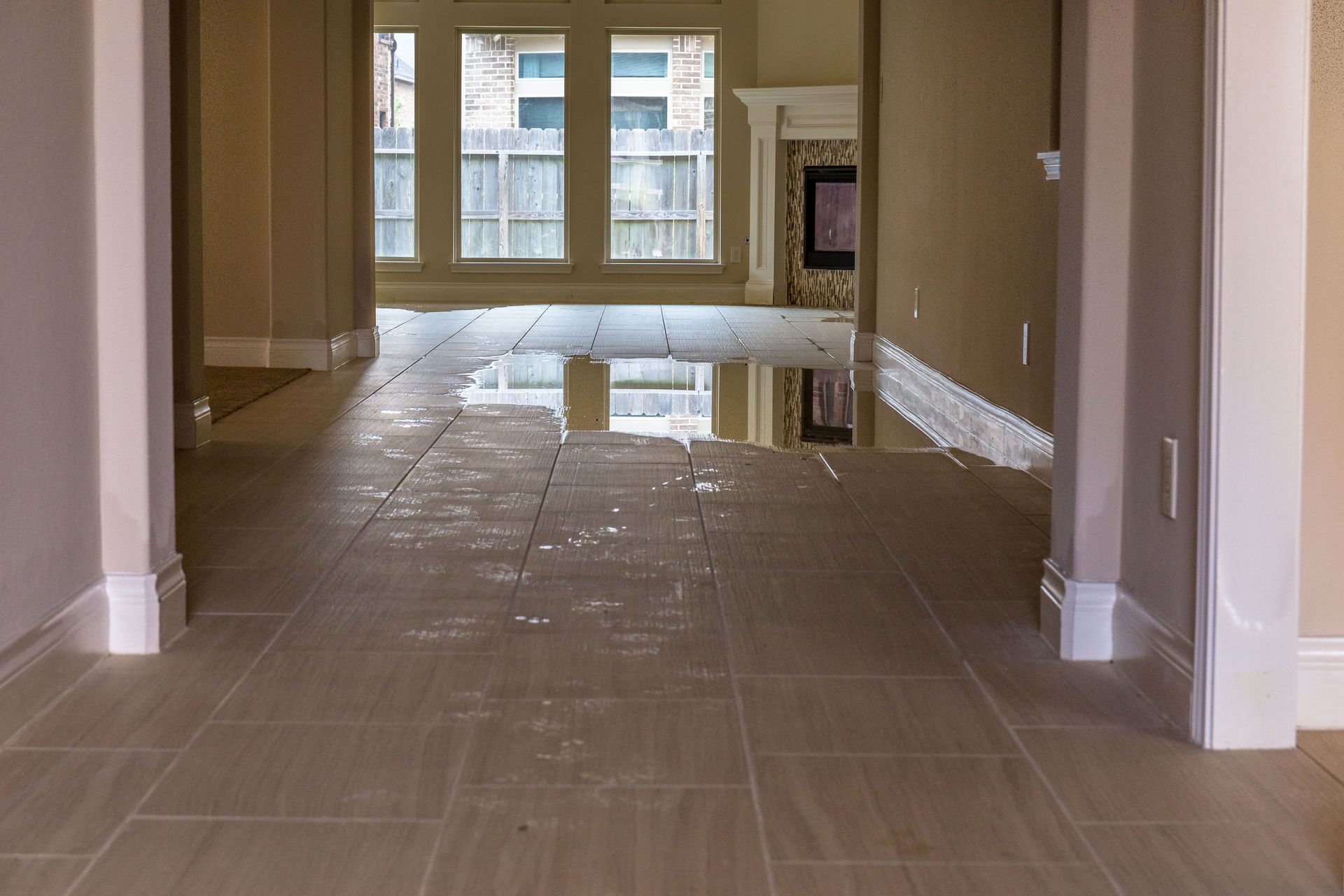
When water invades a home or commercial building, the clock immediately begins ticking. Whether it is a burst plumbing pipe, a flash flood, or a slow roof leak, moisture can quickly compromise structural elements and ruin indoor air quality. Successfully managing this crisis requires moving far beyond simple shop-vac extraction and household fans. Modern, long-lasting water damage repairs rely on a precise combination of material science, psychrometrics (the physics of air-vapor mixtures), and advanced diagnostic engineering. If a remediation strategy ignores these scientific principles, the building faces hidden structural degradation, progressive wood rot, and recurring microbial growth. This guide breaks down the multi-staged scientific protocols that certified restoration teams utilize to completely salvage properties and protect long-term structural integrity.
Identifying the Source and Extent of Intrusion
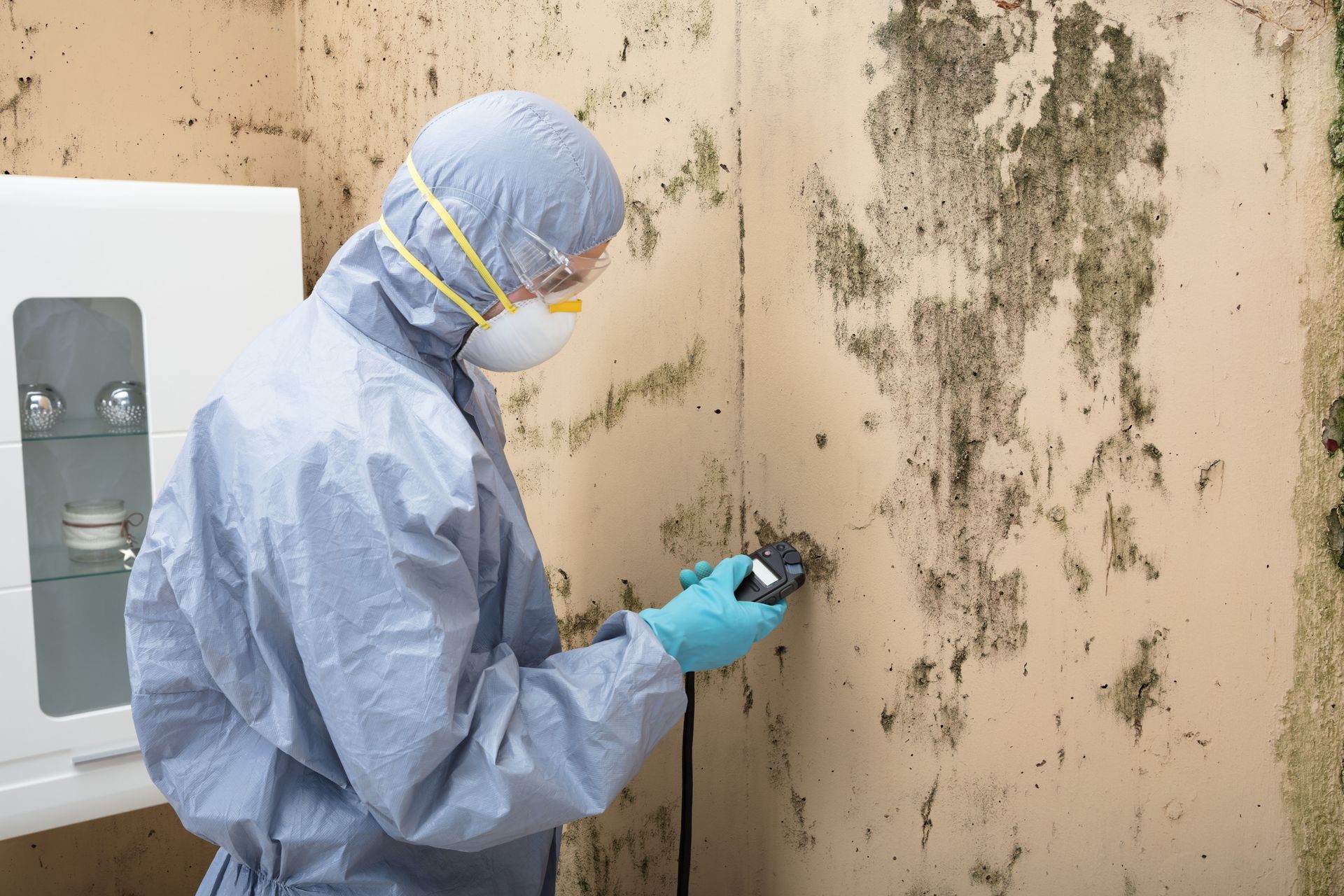
The absolute cornerstone of any restoration project is the immediate containment of the fluid source and a thorough assessment of its migration path. Water naturally follows the path of least resistance, flowing through hidden wall cavities, soaking behind baseboards, and settling deep into porous subfloors. To map this invisible migration, restoration technicians utilize an advanced array of diagnostic tools. High-frequency digital moisture meters measure the electrical conductivity of materials to determine moisture content percentages, while calibrated thermo-hygrometers track real-time changes in relative humidity and ambient temperature.
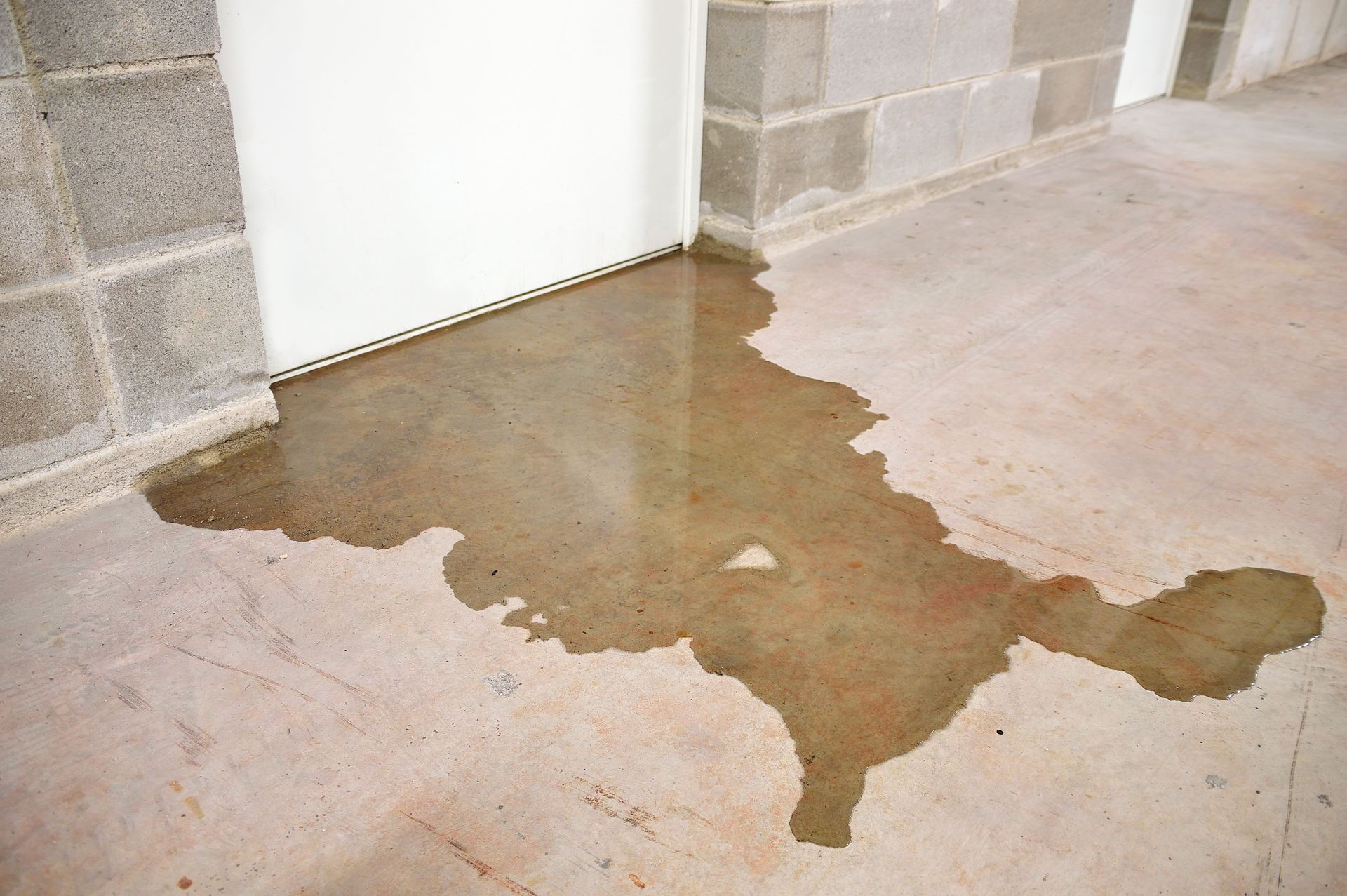
According to RubyHome, 98% of basements in the U.S. will experience some water damage at least once. This astonishingly high statistic proves that residential foundations face constant hydrostatic pressure from surrounding soils, making early identification vital. Technicians categorize the contamination level from Category 1 (potable water) to Category 3 (highly unsanitary black water containing pathogens). Differentiating these classes dictates the exact personal protective equipment and sanitization chemicals needed to execute safe, comprehensive water damage repairs without cross-contaminating unaffected living spaces.
The Role of Moisture Mapping and Thermal Imaging
To visualize moisture hidden completely behind hard finish materials like drywall, tile, and hardwood flooring, professionals rely on thermal imaging cameras. These specialized infrared devices do not actually "see" through walls; instead, they capture subtle differences in surface temperatures. Because wet building materials experience evaporative cooling, they present as distinct cold zones on an infrared display screen.
By cross-referencing these thermal signatures with non-invasive pinless moisture meters, technicians build a dynamic moisture map of the entire building. This precise spatial record eliminates destructive guesswork. Rather than ripping out entire rooms of intact drywall, teams can isolate and open only the specific structural cavities holding moisture. This targeted approach dramatically streamlines the remediation timeline, cuts down on material waste, and lowers total reconstruction costs.
Advanced Dehumidification and Drying Technologies
Once standing water is mechanically extracted, removing the deep structural moisture trapped within porous building materials requires manipulating ambient air physics. This specialized science relies on industrial air movers to sweep away the stagnant boundary layer of saturated air sitting directly above wet surfaces, accelerating the evaporation rate. However, rapidly evaporating water creates an immediate surge in indoor relative humidity. If this airborne moisture is not pulled from the environment, it will cause secondary damage, including warped woodwork and ceiling sagging.
To extract this vapor, technicians deploy heavy-duty desiccant or low-grain refrigerant (LGR) dehumidifiers. LGR units cool incoming air down to condense moisture out into a collection pump, while desiccant models utilize chemical silica matrices to capture vapor in ultra-low temperatures. Choosing the right mechanical layout ensures a continuous drying cycle. Technicians track vapor pressure differentials daily to verify that the environment favors moisture movement out of structural framing, ensuring successful, scientifically verified water damage repairs.
Techniques for Preventing Mold and Microbial Growth
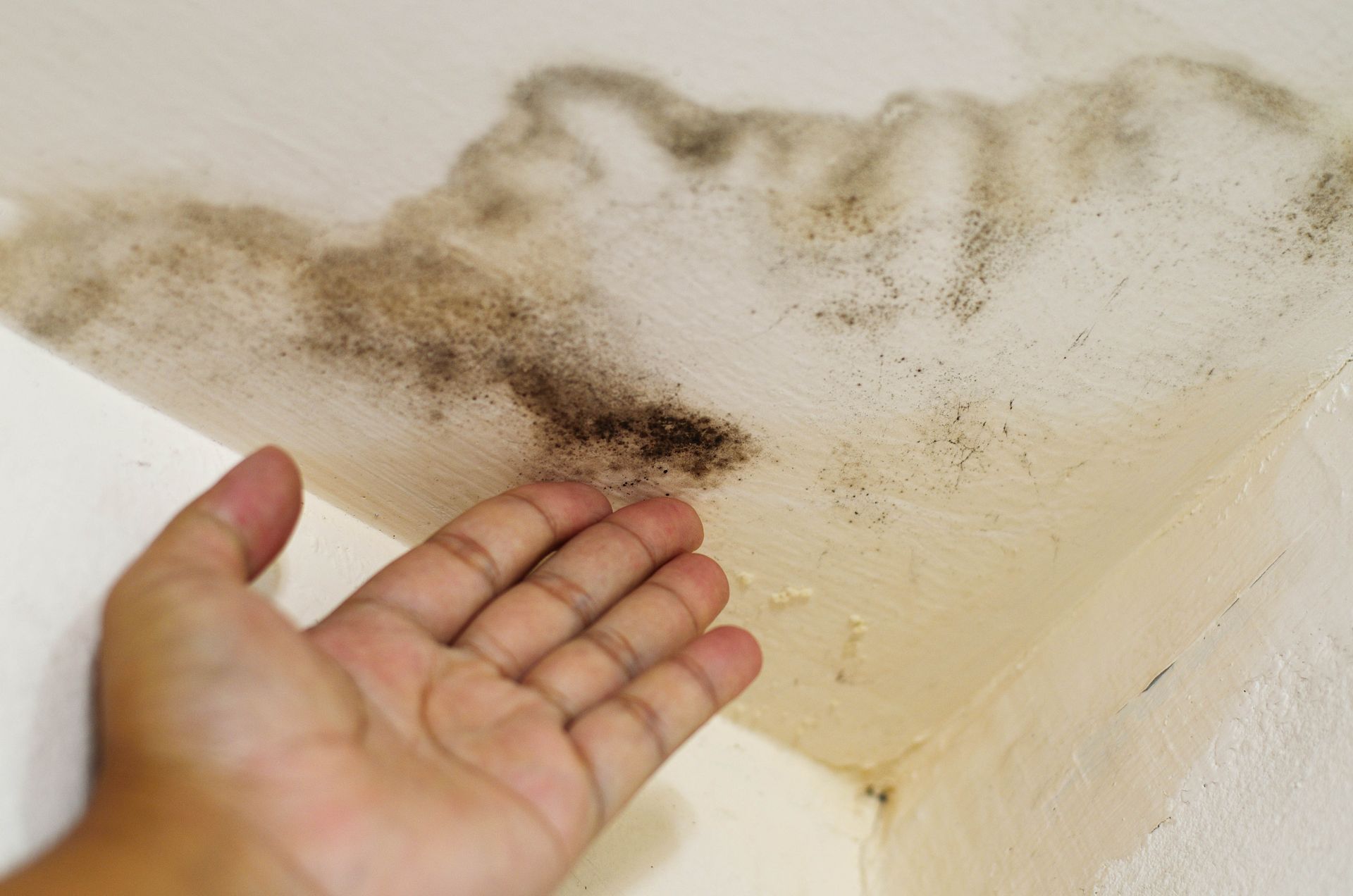
Microbial spores exist naturally in almost every indoor environment, but they remain completely dormant until they encounter a reliable moisture source. Under ideal ambient temperatures, mold spores can germinate and begin colonizing porous surfaces like drywall backing and plywood within 24 to 48 hours of initial water contact. Preventing a massive toxic mold infestation requires maintaining aggressive, continuous structural drying and deploying specialized chemical countermeasures.
During the initial extraction and structural drying phases, technicians carefully apply EPA-registered antimicrobials and biocides to eliminate active fungal spores. These specialized treatments neutralize microscopic pathogens without degrading underlying building materials. Furthermore, utilizing HEPA-filtered air scrubbers ensures that airborne spores are captured and removed from the indoor breathing zone. By maintaining strict control over relative humidity—keeping it safely below 60%—technicians disrupt the biological conditions necessary for mold to survive, protecting the long-term success of the water damage repairs.
Material Science and Structural Reconstruction
Every building material possesses a unique cellular structure that dictates how it absorbs, retains, and releases moisture. Understanding these material science traits is critical when planning structural reconstruction. For example, structural lumber has high density and can often be safely dried and sanitized if caught early. In contrast, standard drywall, fiberglass insulation batts, and particleboard furniture are highly porous and prone to structural delamination, requiring complete removal and replacement once saturated.
When replacing ruined components, choosing moisture-resistant building materials—such as closed-cell spray foam insulation, mold-resistant greenboard drywall, and synthetic underlayments—enhances the building's future structural resilience. Integrating modern material science ensures that your structural water damage repairs stand up against potential plumbing failures down the road.
Quality Assurance and Industry Compliance Standards
The final phase of a professional restoration project involves passing rigorous quality assurance testing to verify that the home has returned to pre-loss conditions. Teams must adhere closely to strict national standards, such as the IICRC S500 procedural guide for professional water damage restoration. Technicians perform daily monitoring sequences, documenting the exact moisture content of deep structural studs, subfloors, and drywall layout grids.
A project is only considered complete when all building materials match predetermined dry standard benchmarks, which are established by taking baseline readings from unaffected, dry areas of the property. Simply feeling a wall with your hand is not enough; true compliance requires documented digital data proving the moisture has been eliminated. This thorough verification process guarantees that hidden moisture won't cause structural rot behind newly painted walls, giving property owners total confidence in the quality of their water damage repairs.
Executing successful, long-lasting water damage repairs is an intricate science that demands deep technical expertise, advanced diagnostic equipment, and strict adherence to material physics. From the initial moisture mapping and infrared thermal scans to precision desiccant dehumidification and microbial prevention, every phase of the project is engineered to protect your home's structural foundation.
Water naturally migrates along the path of least resistance, quickly saturating hidden wall cavities, insulation, and subfloors through capillary action. Ignoring this hidden migration can lead to costly structural rot and dangerous mold infestations that compromise indoor air quality within 24 to 48 hours. Professional mitigation relies heavily on psychrometrics—the science of drying—to balance relative humidity, airflow, and temperature, ensuring moisture is thoroughly evaporated from deep within porous building materials rather than just dried on the surface.
When a plumbing emergency or flash flood threatens your property, do not leave your structural recovery to guesswork. Partner with a fully certified, licensed restoration team that understands the underlying science of property saving. For fast emergency response, advanced drying technology, and seamless structural reconstruction, rely on the proven professionals at Premier Restorations, LLC. Contact Premier Restorations, LLC today to schedule your comprehensive structural diagnostic assessment and restore your peace of mind!